The IT industry is constantly changing, so it's a challenge to keep up with emerging technologies.
Let's discuss the main IT technologies.
-
Mobile App Development
Mobile devices are increasingly used to access online applications and content. Tablets and phones are ubiquitous, and their use is on the rise.
Mobile traffic will increase 13-fold in 2017, and it is estimated that there will be more mobile devices than people in 2017.
A digital analytics firm reports that 82% of the time spent on mobile devices is devoted to using mobile apps.
The combination of increased use of mobile devices and a preference for specialized apps makes mobile app development an IT technology worth considering.
-
Business Intelligence
Data can provide a wealth of information about a business. Transaction processing systems are full of details about sales, products, inventory, finances, and other basic aspects of business.
But today, we have access to much more data than just reports to work with. There are apps and devices that can provide detailed records of customers' performance and online activity.
Business Intelligence (BI) is a collection of tools and practices for collecting, integrating, and analyzing data to provide key insights into business processes.
At its most basic level, BI is a means of consolidating reports that transaction processing systems cannot provide.
If you want to compare sales of a flagship product across different regions over different time periods, BI is the technology you need. If you want to predict which customers are likely to buy the flagship product, you need a different set of tools.
-
Data Mining and Predictive Analytics
Business Intelligence helps consolidate and summarize data. Data mining and predictive analytics build models that enable classification decisions and predictions.
We're not talking about crystal balls or "resident experts"; data is used to understand behaviors and to use those behavioral patterns to make data-driven predictions.
Data mining and predictive analytics is a collection of tools and techniques for this type of analysis.
-
Databases and Data Management
It wasn't that long ago that when someone in IT used the term "database," they were referring to relational databases.
Data management includes relational database management systems such as MySQL, PostgreSQL, Oracle, Microsoft SQL Server, and IBM's DB2.
A variety of requirements in web application development have helped drive the growth of non-relational database technologies, commonly known as NoSQL databases.
Relational databases are the best option, but it's time to consider NoSQL options. There are a number of different types of NoSQL databases, including key-value, document, and graph databases.
-
The Cloud
Server infrastructure management is a major source of IT problems.
System administrators have to guess the number and size of the servers needed for applications that may still be under development.
You also need to have the foresight to plan for the server's lifespan so that you don't end up with an underpowered server just one year after purchase. Cloud computing can make many of these problems disappear.
Cloud computing is changing the way IT technologies deliver services, but it also requires changes in how devices are managed and, in some cases, how applications are designed.
Cloud computing can reduce capital expenditures and lower operating costs when used efficiently.
-
Configuration Management
One of the forms of cloud computing that is transforming the economics of major IT technologies is the sharing of server and storage resources among a large number of users.
It is important to keep track of all the configuration steps required to set up a server. There are configuration management tools, such as Chef, that are designed to streamline configuration management in the cloud.
The use of these tools improves consistency, reliability, and ease of maintenance in configuration management operations.
-
Virtualization
Virtualization is the process of introducing a layer of abstraction into a device or system. The goal is to decouple higher-level systems from implementation details.
Virtualization has been applied to operating systems, storage systems, and networks.
Virtualization is widely adopted; it allows for more efficient use of CPU resources and storage arrays, rather than running a single operating system on the server.
Virtualization is a fundamental technology for cloud computing that enables the rapid and efficient provisioning of virtual machines in well-equipped data centers.
-
Software Security
Software security begins with code development. Developers can spend hours and days learning a new integrated development environment, picking up new design patterns from collaborative websites, and generally continuing to improve their software development skills.
This time is necessary to ensure software security. It is essential to learn about tools such as vulnerability scanners, secure code review practices, and techniques such as logic, data, and interface analysis.
-
Network Optimization
Network performance depends on many factors, ranging from the volume and type of network traffic to the network's location.
The increased use of media and network-connected devices can place excessive demands on the local network.
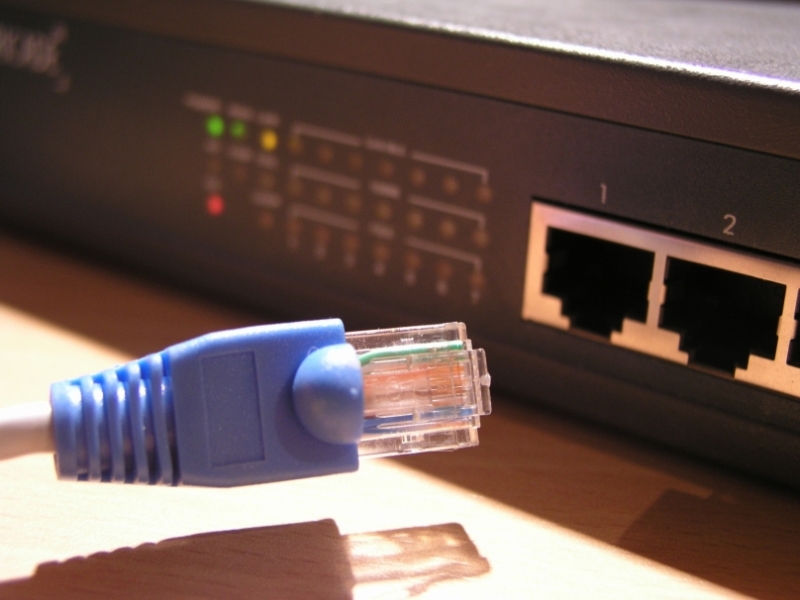
Optimizing technical networks can help resolve a wide variety of performance issues.
Optimization techniques range from TCP optimizations to the use of content delivery networks around the world.
-
Monitor app performance
You can tune the database code and optimize the application algorithms, but if end users are not satisfied with the applications' performance, then there is a problem.
Application Performance Monitoring is a set of practices and tools that help measure key metrics that provide insight into end-user experiences and transaction performance.
This is primarily relevant to the various unit tests and performance tests in the development environment.
Factors such as network latency, code, and browser issues can negatively impact performance.
Application performance monitoring involves a combination of network, server, and software monitoring, as well as reporting tools and techniques.
-
Unified Communications
Unified communications is the integration of network-based communication services, including Voice over IP (VoIP), videoconferencing, messaging, and interactive data exchange.
Unified communications providers are known for offering a wide range of products to support online meetings, video conferencing, and messaging.
Since unified communications is based on network protocols, there is a convergence of device capabilities and a blurring of the lines between desktop devices, such as the telephone and the desktop computer.
Unified communications require an integrated operations platform to enable monitoring, troubleshooting, and analysis.
Unlike some of the other information technologies discussed here, unified communications directly benefits end users by improving collaboration.
-
Cloud Computing
Converged infrastructure is a way to reduce configuration headaches.
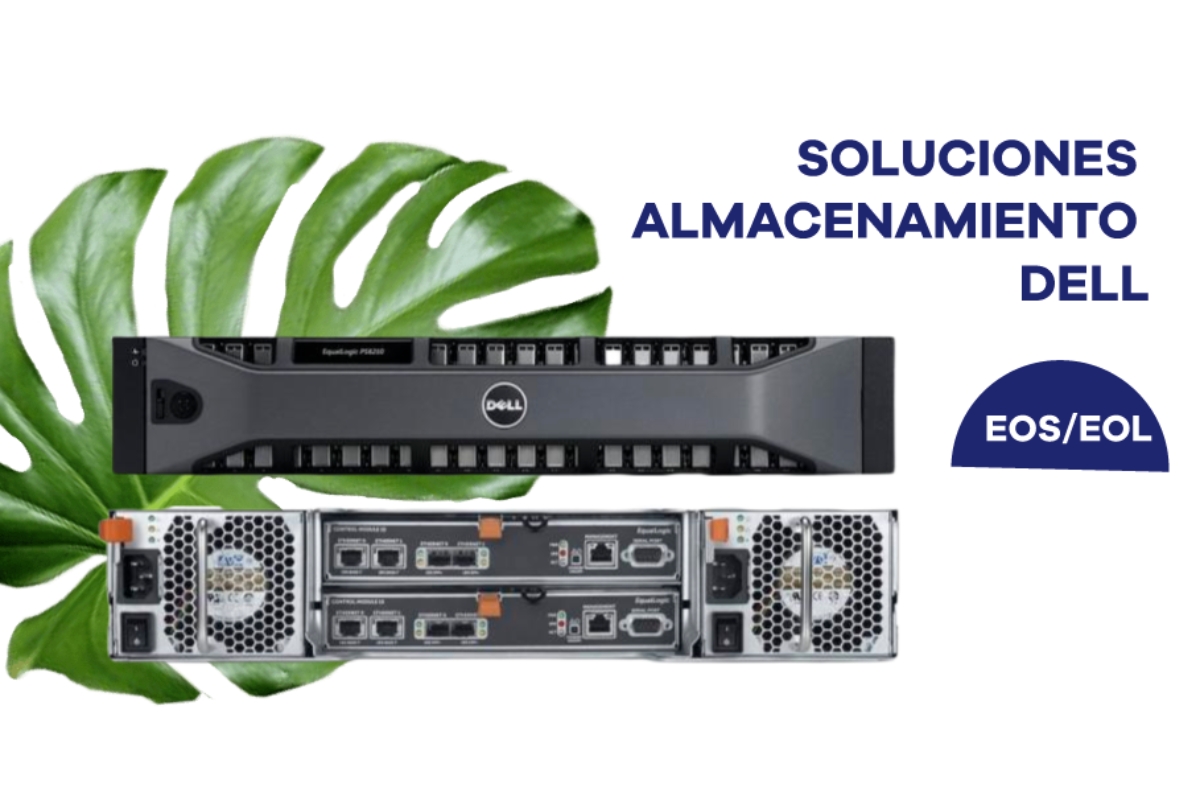
A converged infrastructure device is a single component that combines servers, storage, and networking equipment.
The component is preconfigured so that IT professionals can spend less time building different parts that work together and more time providing higher-level services.
Converged infrastructure can improve the time it takes to deploy infrastructure in a data center, is well-suited to cloud computing requirements, and can help reduce operating expenses.
With rights management software, the converged infrastructure can be managed from a single management portal.
Ultimately, regardless of your area of specialization, it is necessary to have an understanding of a wide range of IT technologies.
Mobile devices and large volumes of data are becoming standard components of IT technologies.
Data management software is adapting to the demands of web applications.
Meanwhile, virtualization and cloud computing are driving efficiencies that no one wants to give up.
Tools and techniques are helping us keep up with these changes, which is why we must focus on ensuring software security, optimizing the network, and monitoring application performance.