Data Centers: What They Are and What They're Used For
A data center is an essential piece of infrastructure for a wide variety of companies and businesses, but what exactly is a data center, and why is it necessary? These facilities store, process, and protect large amounts of information, ensuring the continuity and efficiency of technology services for companies across all sectors.  Understanding their structure, the systems that comprise them, and the different types that exist is essential for optimizing their performance and ensuring their security. At MercadoIT, as experts in high-performance technology solutions, we analyze in this article the importance of these infrastructures and the keys to their operation.    
What is a data center? 

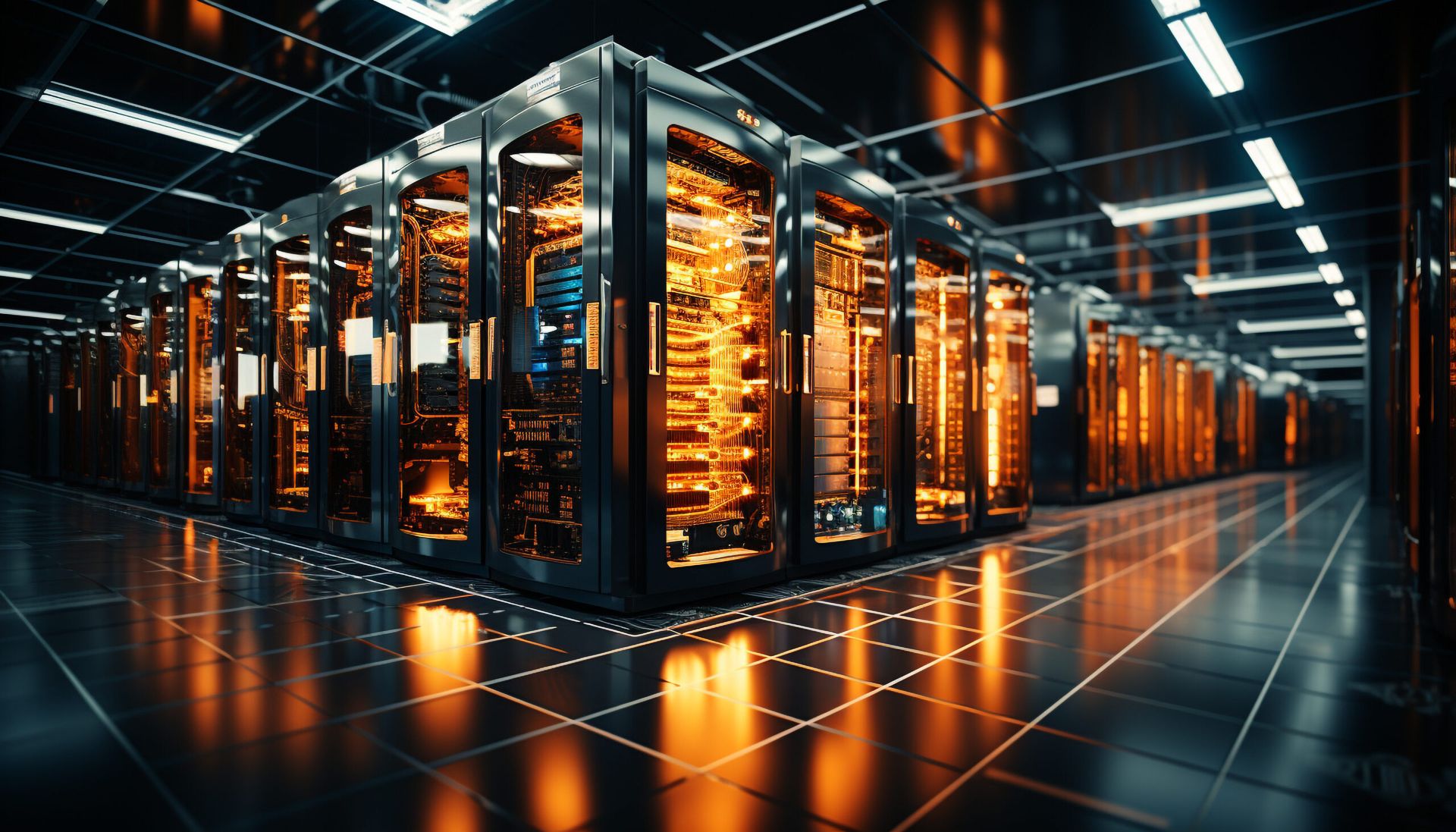
Data centers are facilities designed to securely and efficiently host, manage, and distribute information. They are essential to the operations of companies and organizations that handle large volumes of data, ensuring their continuous and uninterrupted processing.  These centers can vary in size and complexity, ranging from small rooms with computer equipment to large facilities with multiple interconnected machines. Their primary function is to ensure the availability and optimal performance of digital services, such as business applications and platforms.  In addition, they are equipped to handle unforeseen situations or critical events—such as technical failures or natural disasters—through protective systems that minimize their impact. These measures ensure that information remains secure and accessible at all times, guaranteeing business continuity and protecting data against any threat.   

Key components of data centers  

Each data center consists of various technological components, all of which work together to ensure the security and storage of information. The main components are:  

Servers  

The servers are the core of the Data center. They are responsible for running applications and managing databases. They can be physical or virtual and are designed to operate continuously at high performance. Therefore, it is important to have high-capacity equipment that ensures efficient and fast data processing, as well as system stability and reliability.  

Storage Hardware   

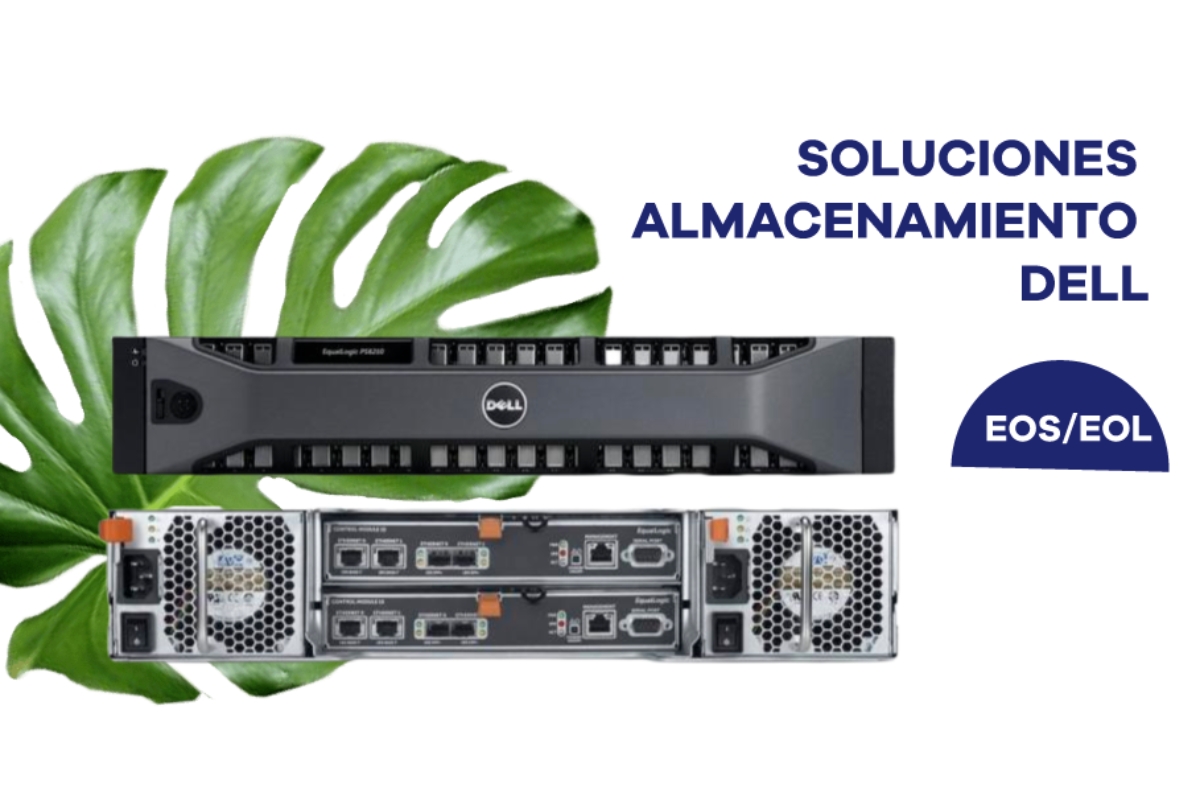
The storage hardware allows Store and retrieve data quickly and efficiently. This includes devices such as hard disk drives (HDD), solid-state drives (SSD), and network storage systems (NAS or SAN), which optimize the management of large volumes of data. 

Networks 

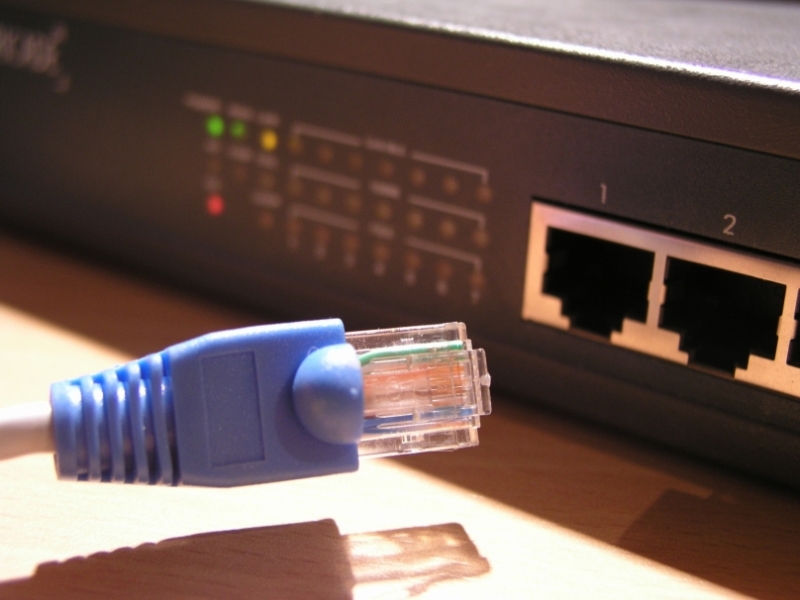
Networks facilitate interconnection between servers and devices within the data center. They use switches, routers, and fiber-optic cables to ensure fast and reliable connectivity. 

Racks 

Racks are structures used to mount servers and other data center equipment. Their purpose is to organize the devices properly, facilitating access, ventilation, and cable management. 

Cybersecurity Systems 

Security is crucial at these facilities. Therefore, to protect the stored information, firewalls, intrusion detection and prevention systems (IDS/IPS), data encryption, and multi-factor authentication are implemented. Restricted access policies are also enforced to minimize risks. 

Refrigeration Systems 

Servers generate a great deal of heat, so it is necessary to have a cooling system that maintains the ideal temperature to prevent overheating. These include air conditioning, fans, and liquid cooling systems, which ensure the equipment operates properly and prevent high temperatures. 

Types of Data Centers 

As technology continues to evolve, so do data centers, adapting to new business needs. They vary not only in size but also in processing capacity, security level, and geographic location. The choice of one type over another depends on several factors, such as the volume of data to be handled or the available budget. The most common types are: 

Enterprise Data Center 

Enterprise data centers are private infrastructures that a company uses to manage its own applications and data. They are located on the company’s premises and offer a high level of customization and control. They are typically used by companies with unique networking needs, such as banks or government agencies.  

Cloud Data Center 

Cloud data centers store and process data in the cloud. They allow companies to access computing resources without having to invest in their own hardware, paying only for what they use. Although they are an outsourced service, these types of data centers serve the same purpose as traditional ones; the only difference is that they are physically located elsewhere or, often, distributed across multiple locations.  

Colocation Data Center 

In this model, a company rents space in a third-party data center, where it can house its own servers and IT hardware. The third-party provider offers the infrastructure and resources based on the organization’s needs. This option provides high availability and security without the costs of building and maintaining its own infrastructure.   

Are data centers really important for businesses? 

Now that you understand what a data center is and what it’s used for, it’s important to realize that they are truly vital for companies, businesses, institutions, and organizations. Data centers ensure the secure storage of information, enable fast access to data, and guarantee the continuous operation of essential services.  Without this infrastructure, companies would face risks such as security breaches, data loss, and downtime, which would affect their operations and reputation. That’s why having a robust data center is essential to staying competitive in today’s market. At MercadoIT, we offer high-performance devices and equipment to create efficient, secure, and sustainable IT environments.