What is a data center?
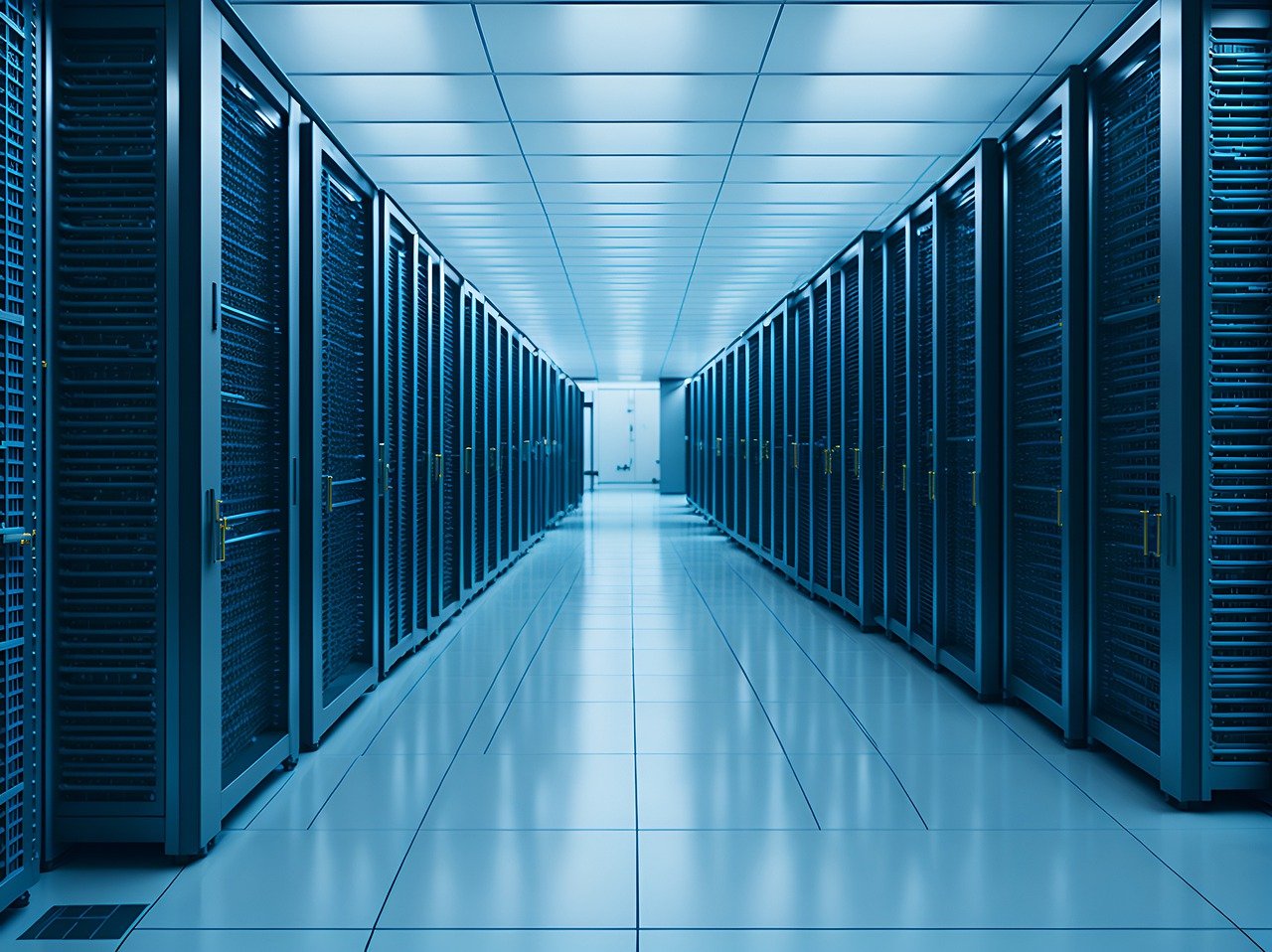
A data center is a physical infrastructure where large amounts of digital data are stored, processed, and managed. They enable the operation of many businesses, organizations, and services that we use in our daily lives. These facilities are designed to store, manage, and process large volumes of data efficiently. This ensures high availability and accessibility to the data they store and distribute. In addition, computer data centers feature advanced security systems to properly protect critical information, thereby preventing cyberattacks or potential disruptions. They are also scalable systems, meaning they can grow as the data storage and processing needs of the company or institution using them increase.Benefits of a Data Center
An enterprise data center is a facility that offers significant benefits to the businesses, institutions, and organizations that use it. For example:- They allow you to securely store critical information.
- They process information to run applications and services on the network.
- They make it possible to connect different devices and technological systems.
- They are secure and protect critical information from potential cyberattacks, for example.
- They are scalable and adapt to the needs of each company at any given time.
- They provide immediate access to critical information and have backup systems in place to prevent errors or service interruptions.
- They enhance profitability and productivity by minimizing downtime.
- They are essential for decision-making in companies, businesses, and institutions, as they provide the necessary information when it is needed.
What is the infrastructure of a data center like?
Data centers are made up of various pieces of equipment that enable them to function properly. Given their importance and the vast amount of information they handle, it is essential that they operate flawlessly, that data transmission be as fast as possible, and, above all, that there be no interruptions or failures.Servers
These devices store all the information, data, and files so they can be processed, thereby enabling applications and programs to run efficiently. Therefore, it is essential to have high-performance equipment to ensure reliability and efficiency at all times. To this end, the refurbished servers They allow you to use powerful IT equipment at a better price and thus build a high-performance data center.Storage Hardware
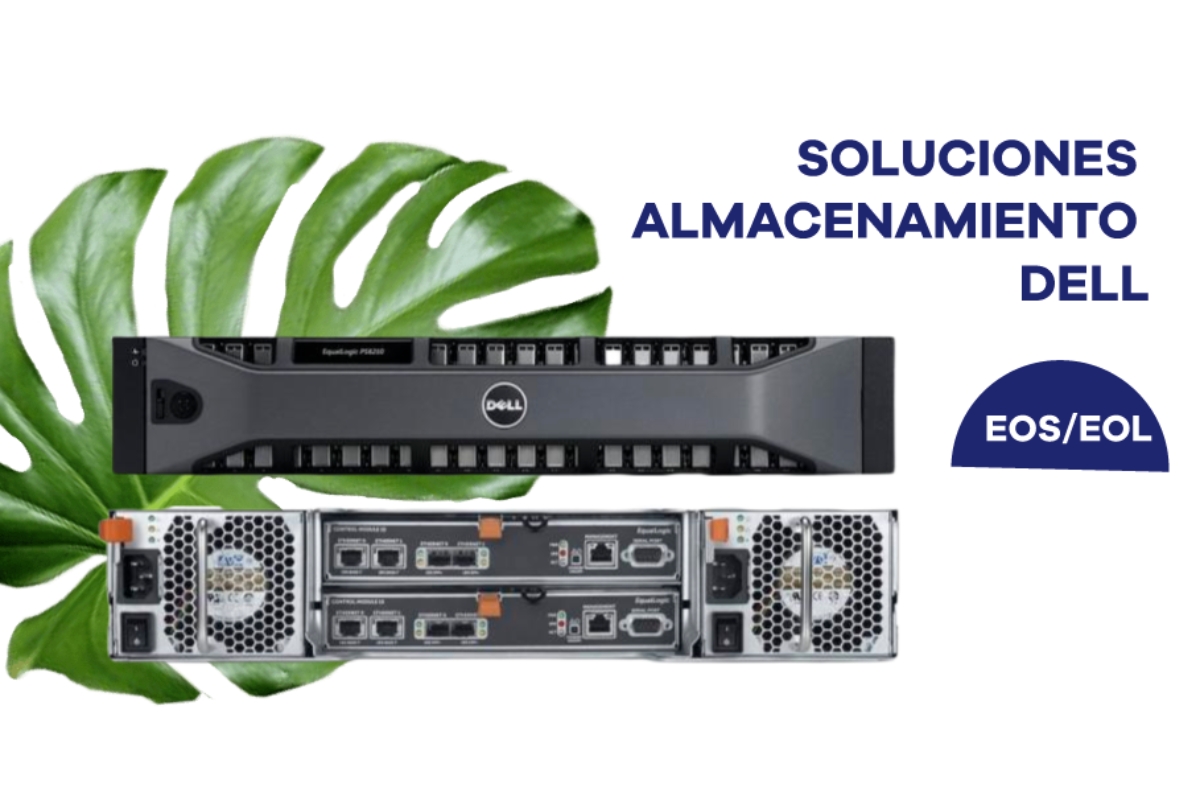
A storage hardware It is another key component of data centers. This type of equipment allows for the storage and management of corporate databases, medical data, banking transactions, and so on. In addition, it is designed to perform regular backups and to recover data in the event of accidental loss.Networking
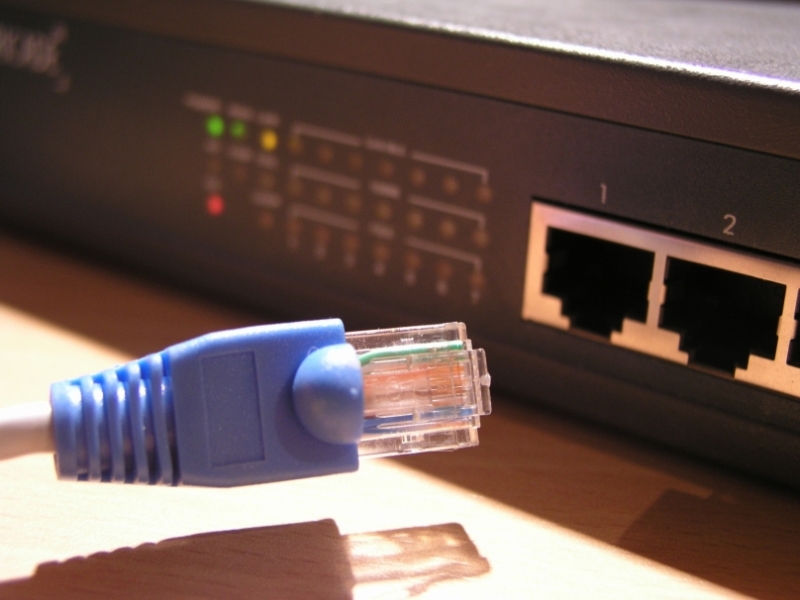
The teams from networking They help optimize infrastructure and improve the processing and management of data stored in data centers. Therefore, it is essential to invest in high-quality, high-performance devices.Racks
A rack is used to house the servers that store, process, and manage the critical data and information used by companies, businesses, organizations, institutions, and more...Refrigeration Systems
Data centers use cooling systems to ensure that each piece of equipment operates at peak performance. Because these are high-performance devices, they consume a great deal of energy and generate heat, which can negatively impact their performance.Cybersecurity
Cybersecurity strategies are designed and implemented to ensure the protection of information and all data, while minimizing and preventing potential cyberattacks or losses due to system failures.Types of Data Centers
There are different types of data centers, and each company or organization must choose one or the other based on its specific needs. Some of the most notable ones are:- Enterprise data center. This is a private infrastructure used by the company or institution itself, so it must handle a large volume of data. For example, this could be the case for banks.
- Managed data centers. These are managed externally, making them an outsourced service that handles all aspects of infrastructure management.
- Colocation data centers. Companies or institutions rent space in an external data center where they manage and process all their data.
- Cloud data centers. These data centers store and process data in the cloud, making this an outsourced service for the company.
- Modular data centers. These data centers consist of different modules that can be expanded and scaled as needed to meet the organization's requirements.
- Hyperscale data centers. These types of data centers are typically used by cloud data center providers to serve other companies. They are therefore massive, large-scale facilities.
- Edge data centers. This type of data center is located near the company or institution that uses it in order to speed up the processing and handling of information.