Electronic waste, or e-waste, represents the largest increase in waste that municipal sanitation services will have to deal with, as it is expected to grow to more than 50 million metric tons by 2020.
As devices have become increasingly affordable, society has benefited from this trend. However, this exponential growth brings new problems. Electronic devices are reaching the end of their useful life (EOL), which is also known as e-waste.
Electronic waste is on the rise, and with that increase comes the need for effective electronics recycling programs
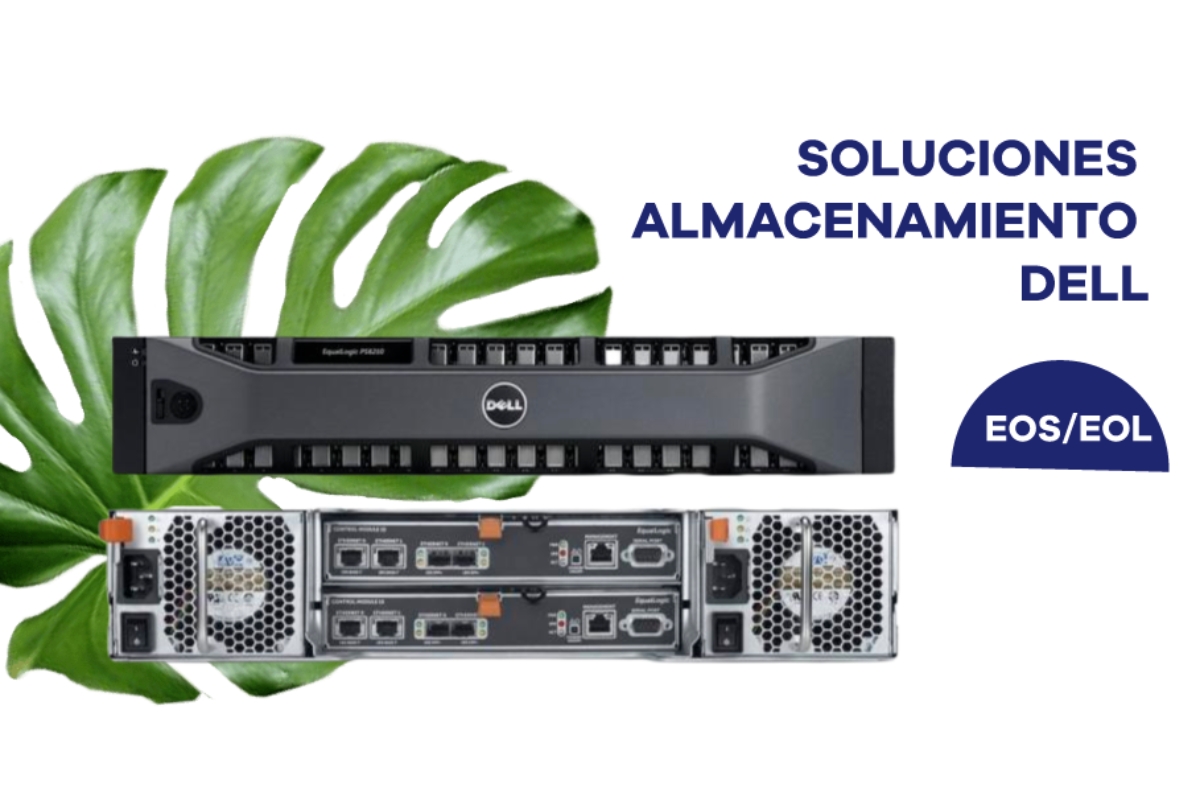
Electronic waste, including cell phones, computers, TVs, and professional equipment such as switches, routers, servers, storage enclosures etc.; it is believed that they contain, for example, up to 7% of all the gold in the world. That's a good reason to consider recycling them.
Another reason for recycling electronic devices is that they contain toxic materials that, if not properly disposed of, can pollute our environment.
People need to be mindful when recycling phones, computers, and other types of electronic devices, and do so in a way that is effective and environmentally responsible. Another good reason for responsible recycling is to minimize the risk of data theft and comply with the GDPR data protection law, since these devices may contain sensitive information that could end up in the wrong hands.
The safe recycling of electronic products is receiving increased attention from policymakers, the industry, and consumers alike. This trend is good news because many consumers are still unsure how to safely dispose of computers, laptops, cell phones, or other unused electronic devices. According to a report, nearly 75% of old electronic devices continue to be stored in homes due to a lack of convenient recycling options.
What is E-Waste?
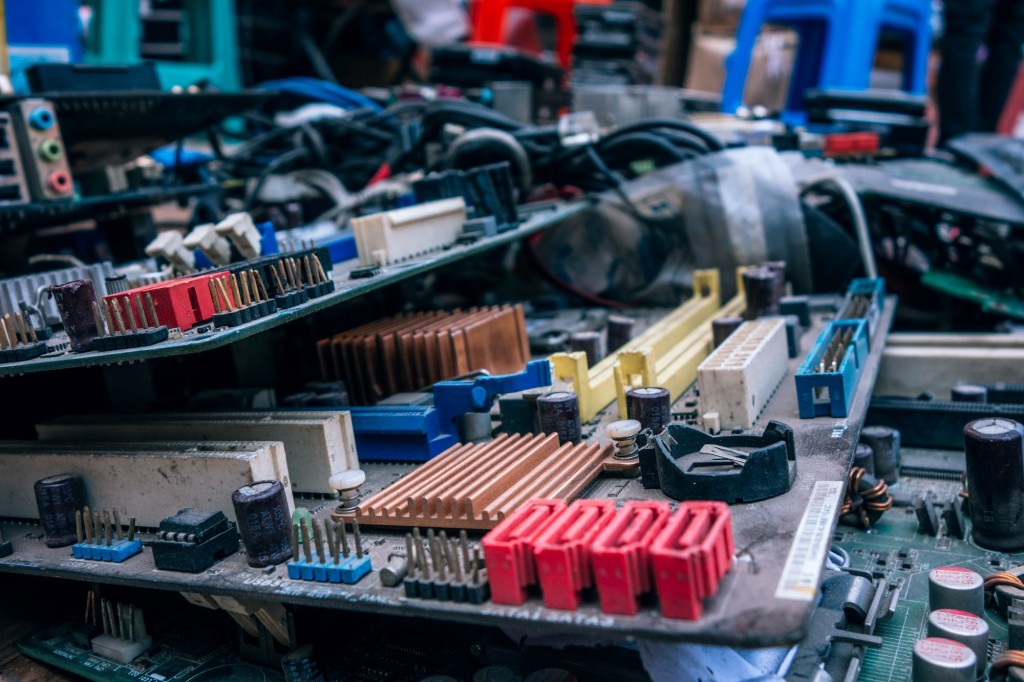
EOL (End of Life) electronic devices, also known as electronic waste or e-waste, include computers and laptops, audio equipment, TVs, and cell phones that have reached the end of their useful life. This equipment can often be refurbished or recycled; however, a significant amount ends up in landfills. As we can see, only 20% of the world’s e-waste is formally recycled, while the remaining 80% is often disposed of in landfills.
This urban lifestyle has consequences for people's well-being and causes high levels of pollution. In the European Union, the recycling rate is close to 25 percent, and much of the electronic waste ends up in the open ocean.
Much of the recycling of e-waste is carried out using toxic methods, such as acidic solutions and cyanide at high temperatures, making the process harmful to the environment and people.
Some electronic waste is recycled using the most environmentally friendly methods. The number of e-waste recyclers is growing every year, thanks to new green technology and environmentally conscious electronics manufacturers.
Large manufacturing companies are increasingly motivated to ensure that their products are designed to be disposed of in the most environmentally friendly manner possible, to prevent discarded products from being used by third parties.
In MercadoIT We aim to reduce the large amount of unnecessary electronic waste generated by the annual replacement of equipment. Thanks to our refurbishment processes, we are able to restore the equipment to 100% working condition, thereby responding to growing environmental awareness.