What are computer networks, and what are they used for?

Computer networks are the foundation of connectivity in any modern business. From real-time access to information to resource optimization, they play a crucial role in the day-to-day operations of businesses, hospitals, banks, and any organization that handles large volumes of data.  At MercadoIT, we specialize in high-performance technology solutions for businesses, which is why in this article we’ll explain what they are and why they’re a profitable investment for your business.    

What are computer networks? 

Every technological infrastructure depends on an efficient communication system. Therefore, when we explain what a computer network is, it refers to a set of connected devices that share information and resources through communication protocols. This interconnection can be wired or wireless, depending on the specific needs of each company.  The goal is to facilitate access to information and improve collaboration among the different teams within an organization. Using such a network helps optimize daily tasks, enhance data security, and ensure business continuity in any corporate environment.   

How do computer networks work? 

Every device on a network is designed to send, receive, and process data via a physical or wireless medium. So, if we explain what a computer network is used for, its main function is enable efficient communication among teams, servers and storage systems, optimizing the use of resources. And how does it work? The easiest way to understand it is to imagine it as a messaging system within an office. Each employee (computer or device) has a mailbox (IP address) where they receive and send letters (data). To ensure the letters reach their destination without getting lost, someone is needed to organize and direct traffic (the router). Here’s the process explained step by step:  
  • You send a message 
  • The message travels across the network 
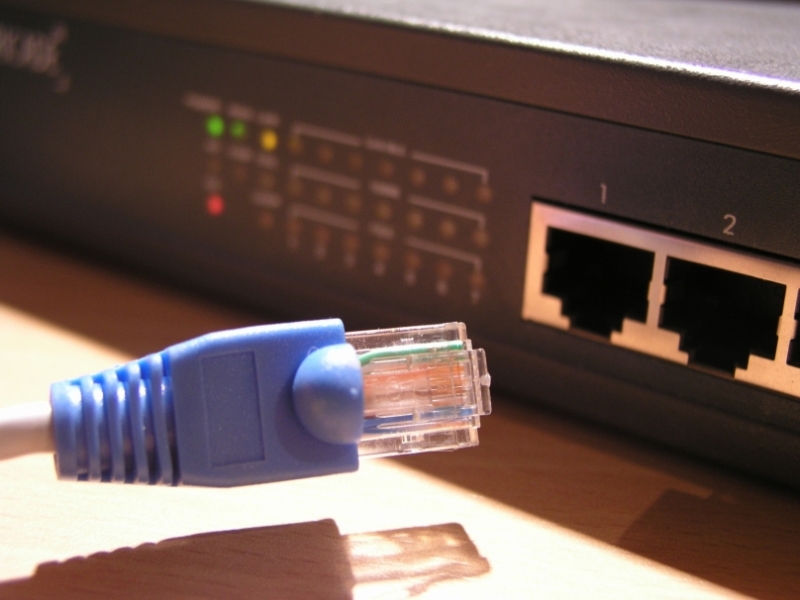
  • The router and switches manage traffic. 
  • The server receives the request and responds. 
  • The information appears on your screen. 
This process takes place in milliseconds and is constantly repeated for every action we take on a network, whether it's sending an email, downloading a file, or making a video call.   

Types of Computer Networks 

Their classification depends on their scope, structure, and function. Each computer network is designed to serve a specific purpose and meet different business needs. 

Personal Area Network (PAN)  

Individual connectivity, ideal for devices such as cell phones, tablets, and personal computers in a small space.  

Local Area Network (LAN)  

Implemented in offices and businesses to connect devices within the same physical space, facilitating access to servers and applications. 

Wireless Local Area Network (WLAN)  

Based on Wi-Fi technology, it allows multiple devices to connect wirelessly, offering greater flexibility. 

Metropolitan Area Network (MAN) 

It covers a city or metropolitan area and is the computer network used by public agencies, universities, and large corporations. 

Wide Area Network (WAN) 

Interconnection of multiple computer networks at the national or international level, ensuring communication between a company's various locations. 

Campus Area Network (CAN) 

It is used in educational institutions or large companies with multiple buildings interconnected via a private network. 

Global Area Network (GAN) 

The expansion of a global computer network connects systems on different continents via undersea cables and satellites. 

Storage Area Network (SAN) 

It is an infrastructure designed for the efficient management of large volumes of data on high-performance servers.   

Functions of Computer Networks 

Every organization needs a technology infrastructure tailored to its needs. Therefore, the role of a computer network depends on the specific IT environment.  

Share Resources  

A computer network facilitates the shared use of servers, printers, and storage, reducing costs and increasing efficiency. 

Communication and Collaboration 

Computer networks enable employees to connect with one another through tools such as email, videoconferencing, and cloud-based applications. 

Access to Information and Services  

They ensure that data is securely available and accessible from anywhere within the organization.   

Components of Computer Networks 

Every network infrastructure consists of various essential components; to understand what a computer network is and how it works, it is necessary to understand its components.  

End-user devices (hosts) 

These are computers, cell phones, tablets, and other devices connected to the computer network. These devices generate and consume information while interacting with other nodes in the infrastructure. 

Network Devices 

These include routers, switches, and access points, which manage connectivity between different devices. They are essential for the efficient transmission of data within the network. 

Means of transmission 

These can include fiber-optic cables, wireless connections, or satellite links. They determine the speed and stability of communication between devices. 

Software 

It includes operating systems, network protocols, and applications that govern the transmission of information. Without these programs, devices would not be able to communicate with one another. 

Servers  

They store and process data, enabling access to files, applications, and network services. They are the heart of many IT infrastructures. 

Security Features 

These include firewalls, antivirus software, and encryption protocols that protect the network from external and internal threats. 

Network Cards 

They enable devices to connect to the network infrastructure, ensuring efficient data transmission.  

Red storage items 

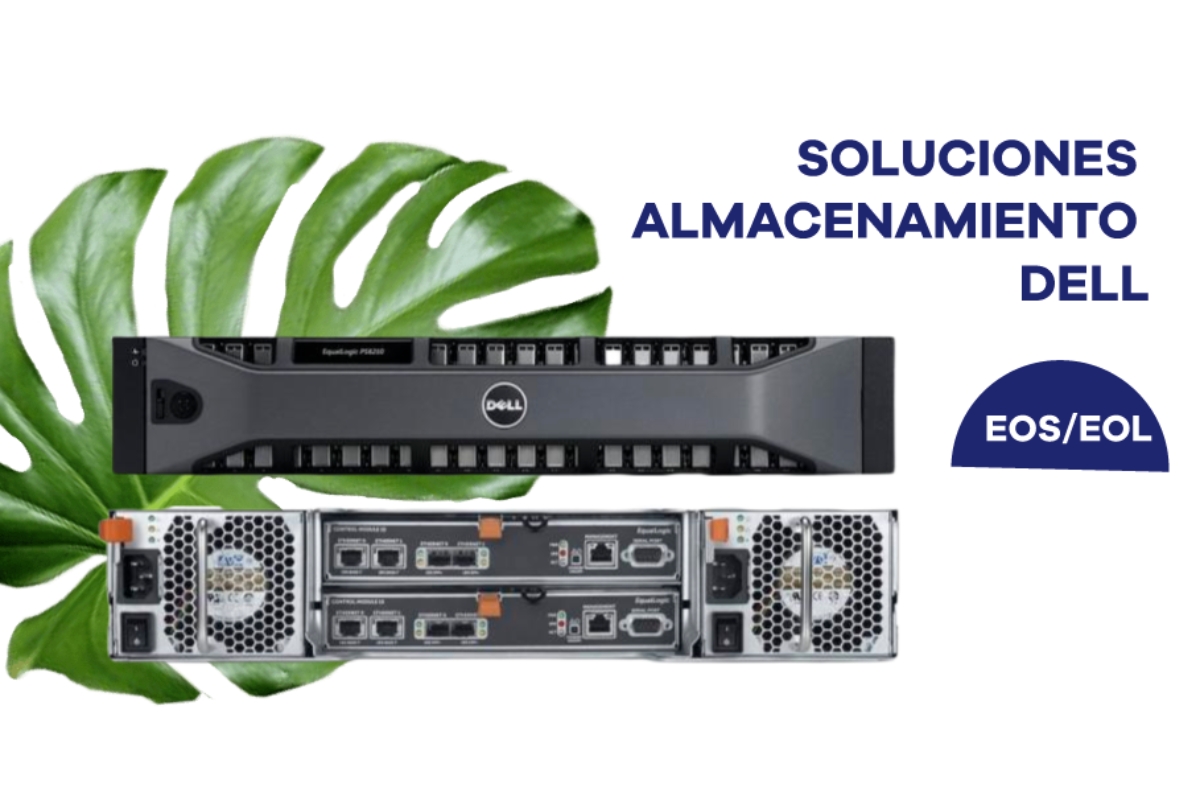
These include NAS and SAN, systems designed to manage large volumes of data within a network.  

What are the advantages of a computer network in a business setting? 

Computer networks optimize the use of technological resources by allowing multiple devices to share servers, storage, and printers, thereby reducing costs and improving operational efficiency. In addition, they facilitate real-time collaboration, allowing employees to access information and work from anywhere within the company, which boosts productivity. Another key benefit is security. Implementing access and encryption policies protects company information and prevents risks such as data loss or cyberattacks. They also offer scalability, allowing the network to be expanded without the need for major investments. Finally, process automation streamlines the management of updates, backups, and infrastructure monitoring. Making strategic decisions about the implementation of this resource ensures that a company’s technology infrastructure operates efficiently and securely.  At MercadoIT, we offer solutions tailored to the needs of each business. We provide high-performance refurbished servers that ensure an optimized, sustainable, and cost-effective infrastructure. If you’re looking to improve the connectivity and performance of your company, organization, or data center, don’t hesitate to call us.