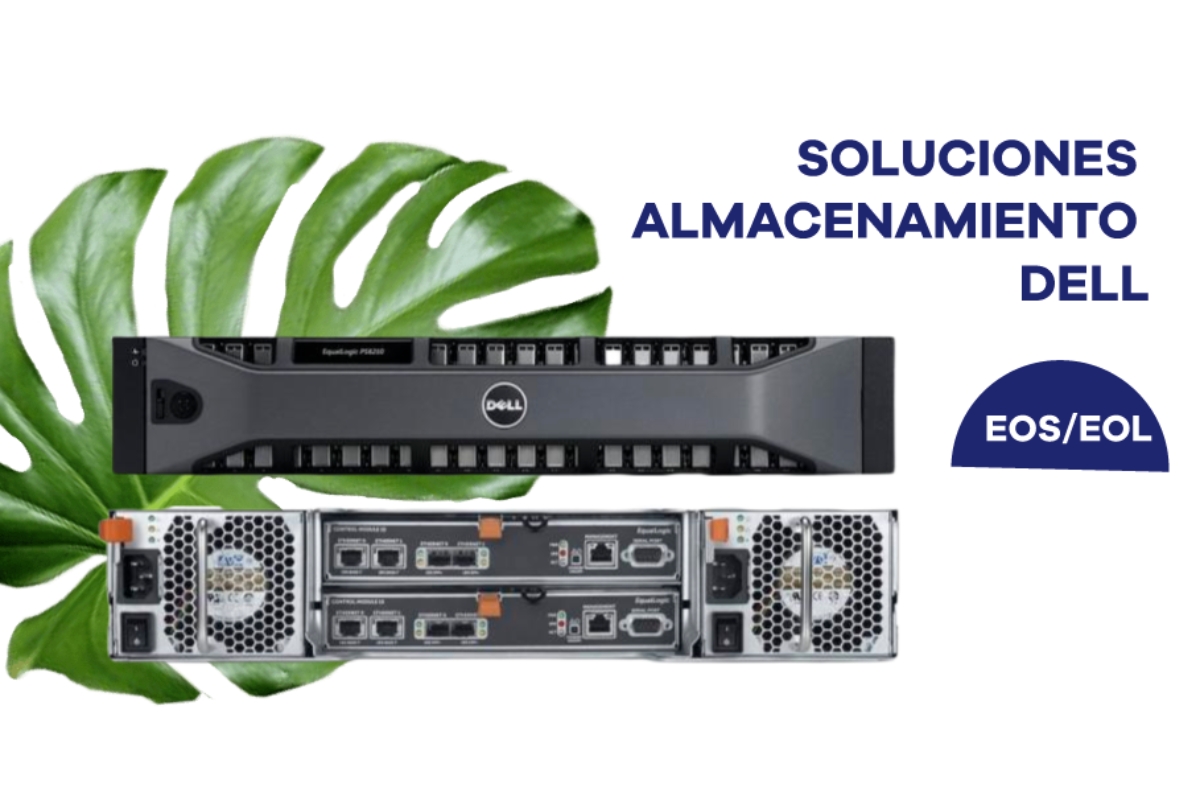
Types of SSDs: How to Choose the Right One?

In the world of technology, every decision is crucial for ensuring optimal performance of IT equipment and devices. That’s why, when it comes to storing data, files, and information, it’s essential to choose the most suitable option from among the various types of SSDs available on the market. To do this, it’s essential to understand each type, the technical specifications they offer, and the factors to consider when making the best decision. At MercadoIT, we’re experts in technology equipment, so we’ll explain each option in detail to help you make an informed choice and improve the performance of your systems. Prioritize efficiency, security, and cost-effectiveness in technology. And if you need it, our technical team can help you choose the best solution.    

What is an SSD? 

To explain which type of SSD is best suited for each situation, it’s important to clarify what this type of device is. It is a solid-state drive used for storage that relies on microchips with flash memory to store, access, and read data.  They are called solid-state drives because they contain no moving parts; instead, they are small, compact, and lightweight, and feature built-in processors for operation. Furthermore, when they are no longer in use, they do not delete the information but instead store it permanently. In fact, this type of computer storage drive is solid-state, which makes it more durable; since it has no moving parts, it avoids potential failures due to wear and tear, for example.   

Features of SSD Servers 

Therefore, servers and operating systems that use any type of SSD for both processing and storing files and data can take advantage of their outstanding features, such as:  
  • High performance. Ensures fast application loading and faster file transfers than traditional hard drives.  
  • High speed. They are designed to read and write data and files much faster than traditional ones.  
  • Reliable devices. They are safer because they have no moving parts and are therefore less likely to suffer mechanical failures.  
  • Lower energy consumption. They consume less energy, thereby reducing operating costs and improving energy efficiency.  
  • Affordable prices that offer good value for the money. Although they are more expensive than traditional HDDs, their price is becoming increasingly affordable, as they are one of the most popular options in the technology sector. 
  • They are very popular. Thanks to their performance, light weight, and speed, they are among the most widely used in laptops, both for personal and business use. 
 

Types of SSDs 

Thanks to technological advances and constant innovation aimed at improving performance in this sector, there are more and more options available in terms of capacity, price, processor types, and more... As a result, there are different types of SSDs available, allowing you to always choose the most suitable option based on how the computer or server will be used and your specific needs in terms of performance, speed, and capacity, among other factors.  

SATA SSDs 

They are a very common and affordable option among the types of SSDs available on the market. In fact, they are similar to traditional HDDs, both in appearance—though they are slightly smaller—and in interface, since they use the same one, making them compatible with many older computers. They allow you to upgrade computers and servers without having to replace the hardware, making them ideal for improving read and write speeds without requiring a major investment. They are primarily used for personal use, by entry-level or casual gamers, and as a secondary storage solution.  

M.2 SSDs 

These are more compact than the previous ones, so they save more space and are better suited for use in portable devices. They can work with different types of interfaces (SATA, mSATA, or NVMe), are easy to install, and are fast. They are widely used in desktop computers and laptops.  

PCIe SSDs 

These are the fastest SSDs on the market, so they offer high performance when transferring data and files. They use the PCIe interface, providing instant load times and low latency. They are the most recommended option for 4K video editing, high-end gaming computers, workstations, or servers handling large volumes of data, among other applications. 

U.2 SSDs 

A U.2 SSD offers high storage capacity, responds quickly to data-intensive workloads in demanding environments, and delivers high performance. They use interfaces such as SATA or NVMe and enable more efficient cooling. That is why they are most commonly used in data centers and companies that handle large volumes of data or run applications with critical information.  

Types of SSDs: How to Choose the Right One for You? 

Now that we’ve explained the different types of SSDs available on the market and the features each one offers, how do you choose the right one for your needs? Which type is best for your server, data center, or computer? This depends on various factors, including usage, performance, budget, and compatibility, among other considerations. However, usage and performance are undoubtedly the most critical factors. Below, we explain the most common scenarios in which these devices are used and which one is best suited for each.  

SSDs for Home Use 

Generally speaking, the most common type of SSD for home use—and for average users—is the SATA SSD. They offer excellent value for the price and perform very well for basic tasks such as browsing the internet and storing personal files like photos or videos, and they handle applications such as word processors and office software perfectly.  

SSD Hard Drives for Gaming 

The most recommended types of solid-state drives (SSDs) for video game enthusiasts and professional gamers are PCIe SSDs or M.2 SSDs. These reduce load times and provide a stable, fast gaming experience. The former are ideal for games that require fast loading and consistent smoothness, while the latter feature a very compact design that’s ideal for laptops.  

SSDs for Laptops and Notebooks 

For laptops, the most recommended types of SSDs are M.2 SSDs and SATA SSDs, since they are compact and efficient. The former feature an ultra-compact design and low power consumption, which improves battery life. The latter are ideal for upgrading older computers.  

SSDs for Servers and Data Centers 

The most recommended types of SSDs for data centers, refurbished servers and demanding enterprise environments with large volumes of data, the best options are U.2 or PCIe SSDs. The former are designed for high-performance workloads and storage, while the latter are designed to handle critical tasks that require optimal performance and maximum speed. If you need advice or more information to choose the right one for your systems, please contact us. We make high-quality, sustainable technology possible.