There is no doubt that the European Union can act quickly on major political, economic, or environmental issues. It has been just over three years since the Circular Economy Action Plan was adopted, and the European Commission is already implementing the 54 actions it had approved.
The circular economy has opened up new opportunities, creating new business models and new markets. In 2016, circular activities—such as repair, reuse, and recycling—generated nearly 147,000 million euros in value added and represented an investment of about 17,500 million euros, according to Eurostat figures. And companies and industries are responsible for all stages of the life cycle, including design, manufacturing, import/export, purchasing, consumption, and recycling/waste management at the end of a product’s useful life.
The Commission has already taken steps to promote investment in product sustainability through its Financial Support Platform for the Circular Economy, which in January issued recommendations to improve the viability of circular economy projects, coordinate financing activities, and share best practices. The EU has revised its waste legislative framework, introducing new and ambitious recycling targets, a clear legal framework for recycled materials, and strengthened waste prevention and management measures, as part of its efforts to modernize waste management.
Smart Use of Resources
Europe is promoting the reduction of waste and the efficient use of resources, while technology companies in Spain are seeking solutions to meet the required standards.
In EU legislation, the “waste hierarchy” is a principle of waste management that establishes an order of priority for waste prevention and management options:
- Prevention
Prevent waste generation, for example, by reducing packaging or making products last longer. Prevention is more closely related to product design and consumption than to waste management.
- Reuse
For example, by reusing packaging through deposit-return programs, or by refurbishing electronic products (phones, computers/laptops, etc.).
- Recycling
For example, ferrous metals, nonferrous metals (such as aluminum and copper), glass, paper and cardboard, rubber, plastic, wood, and textile waste, whether hazardous or nonhazardous.
- Energy Recovery
When waste is burned in incinerators, in most cases the energy produced is used to generate electricity and/or heat (which is used in industrial processes or district heating systems).
- Elimination of Landfills
The "polluter pays" principle helps ensure that the costs of preventing, controlling, and cleaning up pollution are reflected in the price of goods. This can be achieved through prevention and reuse measures that promote the recycling of organic matter.
The circular economy plan in both Spain and the EU focuses on five major sectors: production, consumption, waste management, the promotion of secondary raw materials, and water reuse.
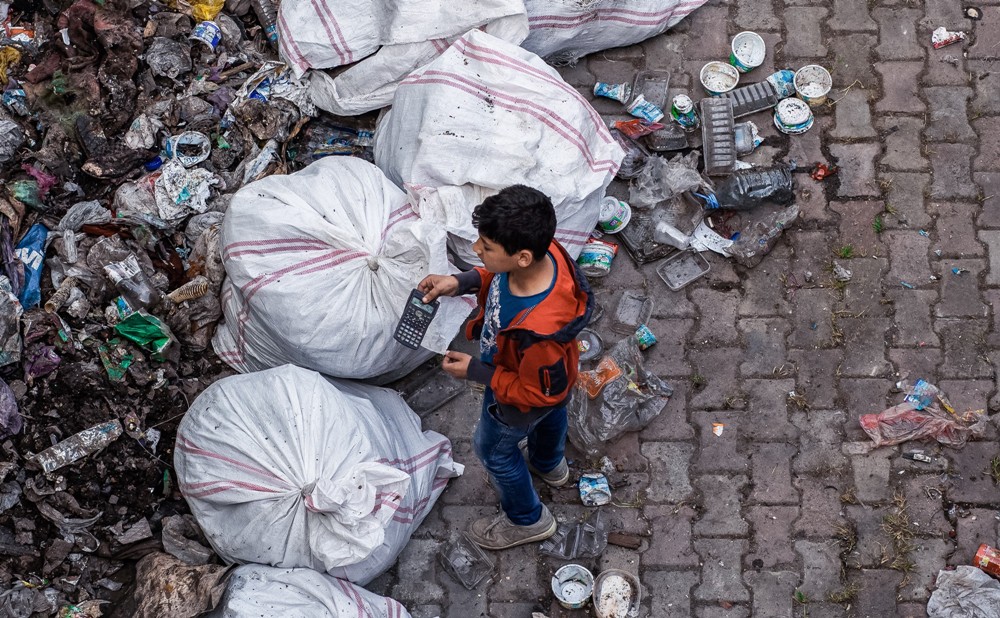
Spain ranks second among countries in terms of per capita automated recycling, yet it is the European country that generates the most waste. This means that our landfills are overflowing and that pollutant emissions are on the rise.
Key technologies are maturing and scaling up rapidly. Investments in the transition to a circular economy could provide a boost to the European economy. Europe is in the midst of a widespread shift in consumer behavior. Business leaders are implementing product-to-service strategies and innovative business models.
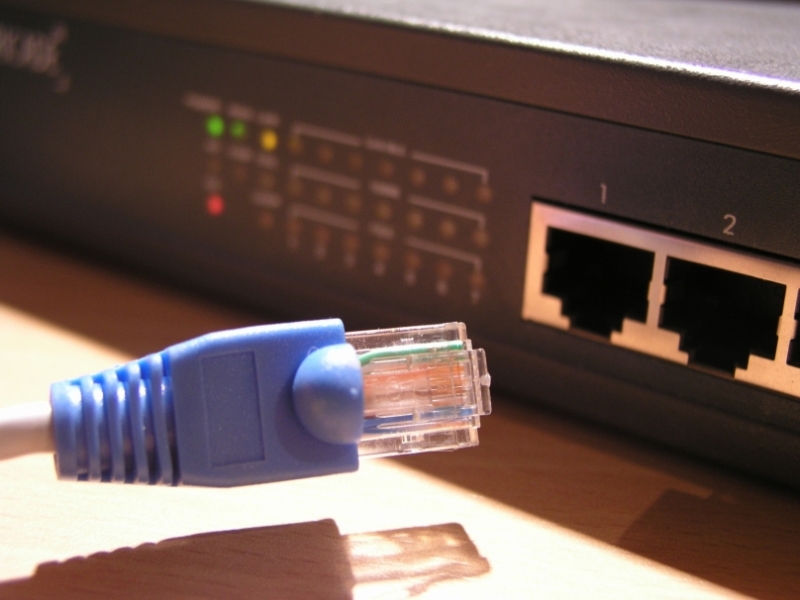
From MercadoIT We promote the responsible use of electronic equipment, and we continually highlight and demonstrate the benefits to consumers of incorporating refurbished equipment into their networks or other types of projects. Through “reuse,” we are able to reduce the large amount of unnecessary electronic waste generated each year.
Year after year, the EU requires companies to reuse electronic products instead of disposing of them before they reach the end of their useful life. Most importantly, companies can achieve significant savings by incorporating refurbished products into their IT infrastructure. Furthermore, prices for these resources are becoming more stable, paving the way for correcting market distortions and implementing circular economy regulations both in Spain and throughout the rest of Europe.