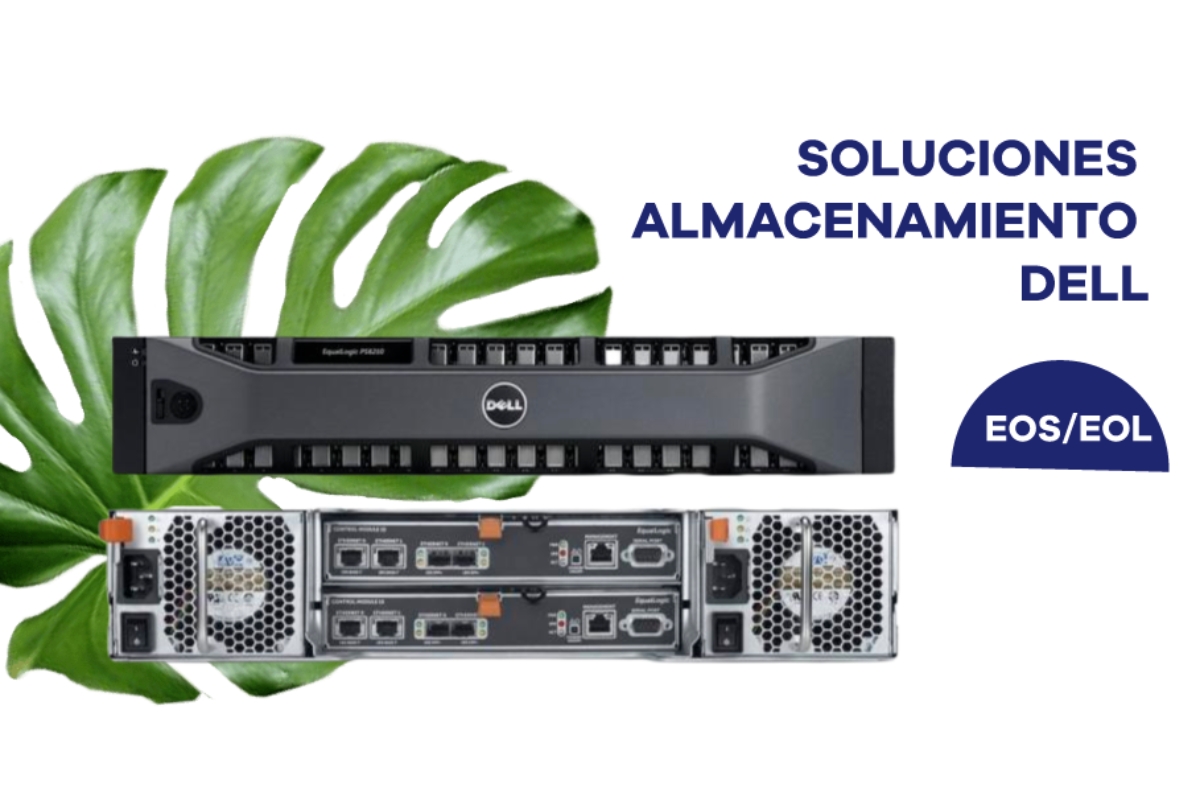
Have you ever started a network upgrade only to discover that your licenses are too old? Has your IT maintenance contract expired? Then, when you try to add new equipment to a contract, do you realize that the manufacturer no longer supports the product? Do you wonder why you didn’t know this sooner, and now it seems too late? That’s exactly why today we’ll discuss product lifecycles:
End of Life and
End of Sale.
When performing an IT upgrade, there are a variety of circumstances in which you might encounter an unsupported environment. That’s why it’s important to familiarize yourself with the correct terminology to ensure you never lose coverage.
Understanding the Product Life Cycle
Products go through a life cycle that includes introduction, growth, maturity, and decline. The first two stages focus on bringing the product to market and increasing its market share. In the maturity phase, sales growth tends to slow down and stabilize. During the decline phase, the product will reach the end of its life cycle.
There are many reasons why a product may reach the end of its life cycle. Some examples include a shift in market demands, new technological innovations, or a product that matures and becomes obsolete. It is essential to stay up to date with the manufacturer’s announcements regarding products that are reaching the end of their useful life. This will also keep you informed of new upgrade options once these products are replaced.
The Difference Between "End of Life" and "End of Sale"
During the decline phase of a product's life cycle, it is important to understand the difference between end of life (EOL) and end of sale (EOS).
END OF LIFE (EoL)
End of life (EoL) indicates that a product has reached the end of its
useful
life (from the supplier’s perspective), and the supplier will no longer market, sell, or support it. The supplier may simply attempt to limit or discontinue support for the product.
END OF SALE (EoS)
The end-of-sale (EoS) date is the last day to order the product through the supplier’s point-of-sale channels. After this date, the product is no longer available for sale. However, for a period of time after the EoS date is announced, a vendor may continue to provide support for hardware and software issues.
IT Maintenance Tips from MercadoIT
If you have equipment that is
EoL or EoS and you want to keep it under maintenance, there are two options:
- The first option is the obvious one: follow the manufacturer’s instructions. Migrate your entire EoL or EoS infrastructure to the new equipment recommended by the manufacturer, thereby allowing you to place the existing equipment under maintenance. This option has several implications, such as the cost of a new investment in equipment, migration work, compatibility with the entire IT infrastructure, new bugs, and so on. Furthermore, the new equipment offered by manufacturers often far exceeds our current needs and projected growth requirements.
- The second option, which is recommended by MercadoIT, involves extending the useful life of EoL and EoS equipment. This is achieved by contracting one of the maintenance of those that have MercadoIT, such as Next Business Day (NBD) maintenance or on-site maintenance. The former involves replacing the equipment on the next business day, while the latter involves having a technician on-site at the customer’s location who is available to replace the equipment at any time. These types of maintenance services extend the equipment’s useful life, help recoup the initial investment in the equipment, and—just as importantly—help us do our part to care for the planet by contributing to the circular economy.
Regularly assess your company's environment and explore new opportunities. In
MercadoIT We can review your IT environment to identify which areas are covered and which ones should be updated. So don't hesitate to contact
MercadoIT if you have any questions.