We can say without a doubt that the vast majority of companies could not exist without technology. Even the least technology-intensive sectors rely in some way on computing and automation to help them, even if it’s just a couple of computers and a printer. But as a company’s needs grow, its IT needs increase almost simultaneously.
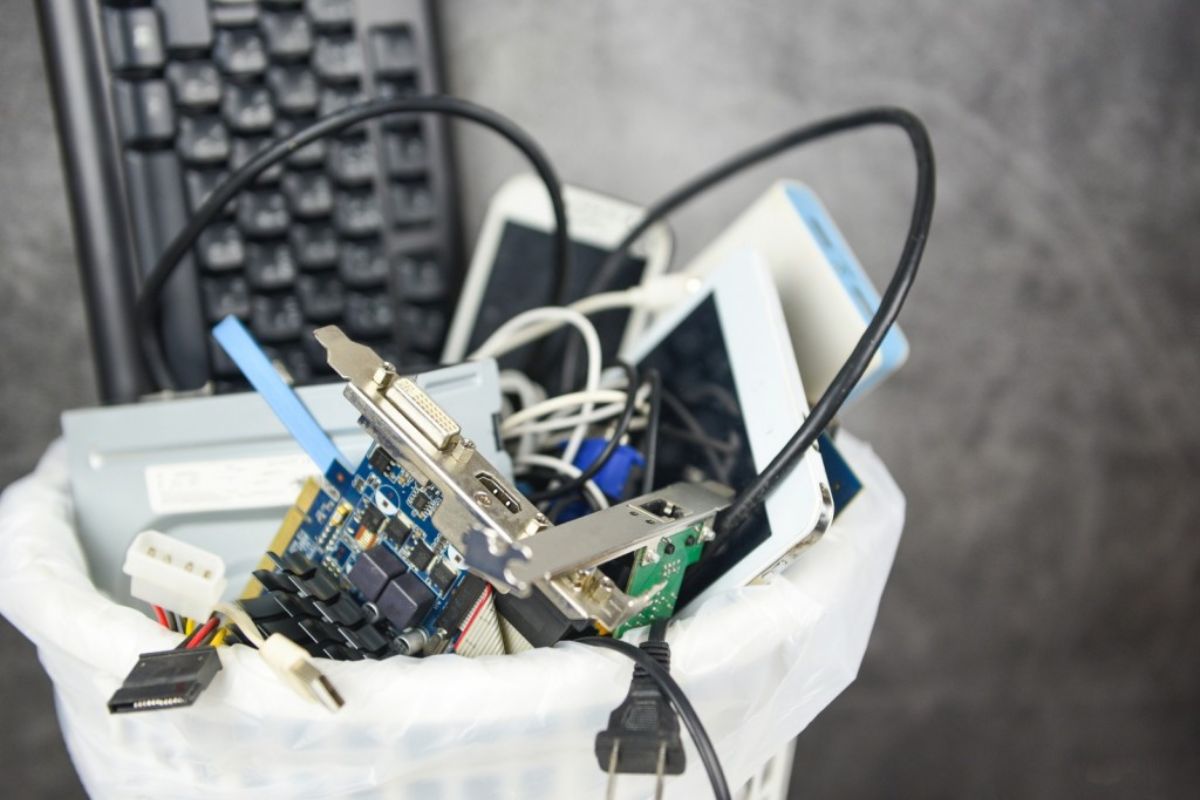
Therefore, it’s no surprise that companies (and we) are constantly on the lookout for newer, faster, and smarter technology capable of easily managing and streamlining our daily workload and making our lives a little easier. But all these advances come with a great deal of waste. Old devices are discarded, and we generally don’t think about where they end up or the damage they cause. Businesses are responsible for most electronic waste. So the question is, what can your company do to reduce its waste footprint?
There are many environmental hazards associated with the improper management of electronic waste, but they can be briefly described as follows:
1. Air pollution:
Burning cables releases hydrocarbons into the atmosphere.
2. Water pollution:
Electronic devices contain toxic metals such as mercury, lead, and lithium, which, when disposed of improperly, mix with natural water bodies and contaminate them—including rivers, lakes, and groundwater. Communities that depend directly on these water sources consume it without realizing it. These heavy metals are dangerous to all forms of life.
3
. Soil pollution:
These heavy metals enter the food chain when they are absorbed by plants from the soil. These metals not only destroy plants but are also consumed by other living beings, leading to contamination of the food chain—which can ultimately end up on our plates.
Not to mention the extreme poverty and exploitation suffered by communities—and even entire countries—due to the collection of this waste, most of which originates from the so-called “First World.”
E-waste and Ways to Minimize It
Let's look at some ways your company can reduce e-waste and manage it properly.
Research
The best way for any company (or individual) to avoid creating electronic waste is, first and foremost, to be smart when purchasing an electronic device.
Instead of focusing solely on the end of a device’s useful life, it’s worth analyzing the entire life cycle, starting with what you buy. For example, rather than always looking for the cheapest option, it’s a good idea to take the time to figure out what will be the best choice for your business, both now and in the future. Taking the time to research, read reviews, and talk to IT professionals can not only save you money and reduce waste but can also help you discover that your business operates much more efficiently as a result of having technology solutions that truly meet your needs.
Repair or Update
When it comes to electronic products, older doesn't always mean obsolete. There are many cases where a piece of electronic equipment can be easily repaired or even upgraded with a little know-how and a few minor changes. So, have your IT department take a look at that old printer, computer, or server, and they’ll be able to tell you whether it’s ready for the trash or if it just needs a few upgrades to get it working again. Adding external memory, hard drives, or even software updates can make older technology perform like new and run more efficiently, so it’s important to keep this in mind when deciding whether you really need to buy new equipment.
Sell
When the electronic devices in your office have (truly) reached the end of their useful life, remember that, when it comes to electronics, one person’s trash is another person’s treasure. And while you may not see the value in your old computers, others might welcome them
with open arms. Therefore, it’s wise to consider selling them and recouping some of that money for the business (whether as a private individual or through a company equipment sale). However, keep in mind that if you take this approach, you must
ensure that your data has been completely erased from the device before it leaves your office. Unless you have specialized equipment and software to do this, you’ll need to hire a specialist like us who uses services such as Blancco.
Donate or Recycle
Sometimes it’s simply impossible to keep using an electronic device, and you have to replace it before the end of its useful life. In this situation, the best options are to donate it or recycle it. Donating an item that’s still usable but outdated is an excellent way to
reduce electronic waste and can even make the accounting department very happy. There are times when you can claim certain tax deductions by donating electronics. You can also enhance your company’s
image by donating electronics to charities or people in need.
One example is https://worldcomputerexchange.org/get-involved/give-computers/. Recycling is also a great option, as it allows the device to be broken down into components for use in new electronic devices, thereby reducing the environmental
impact. The key to recycling is ensuring that you can do so safely without ever putting your company’s data at risk. There are specialized companies that handle this.
Using the Cloud
Ironically, one of the most important solutions to the rapid turnover of technology in businesses could be to make greater use of the cloud—but in a different way. For example, there is very little need for small or medium-sized businesses to have their own
on-site servers or the physical equipment required to store their data. These hardware-intensive tasks can be outsourced, either to the cloud or to a dedicated data center, neither of which requires the end user to purchase hardware. Your company can take advantage of the hardware in these data centers (which is likely more sophisticated than what you’re currently using), which will reduce the amount of hardware purchased and, ultimately, slow down the e-waste cycle.
These are just a few ideas you can implement in your company to reduce the environmental impact of electronic equipment. Plus, these measures generally also improve efficiency and reduce costs, so everyone wins. Unfortunately, there is still a large gap between the number of devices sold and those recycled.
This is mainly because many companies continue to manufacture electronic products with a limited lifespan or stop providing support too soon.
Here at our company, we actively fight against waste by refurbishing top-quality electronic products to give them a new lease on life, and we’re also here to advise you on getting the equipment your business truly needs.
If you want to get rid of your electronic devices, you can count on MercadoIT to buy and sell your digital assets.