It
is estimated that 50 million metric tons of electronic waste will be generated worldwide in 2018. Half of this waste consists of personal devices such as computers, monitors, smartphones, tablets, and TVs, while the rest will be larger household appliances and heating and cooling equipment.
Only 20% of the world's electronic waste is recycled each year, which means that 40 million metric tons of electronic waste end up in landfills, are incinerated, or are sold illegally, and this is despite the fact that 66% of the population is covered by e-waste legislation. This results in a massive loss of valuable and critical raw materials from the supply chain and causes serious health, environmental, and social problems through illegal shipments of waste to developed countries.
Even in the EU, which is a world leader in e-waste recycling, only 35% of e-waste is officially reported as collected and recycled, and a lack of public awareness prevents countries from developing circular economies for electronic equipment.
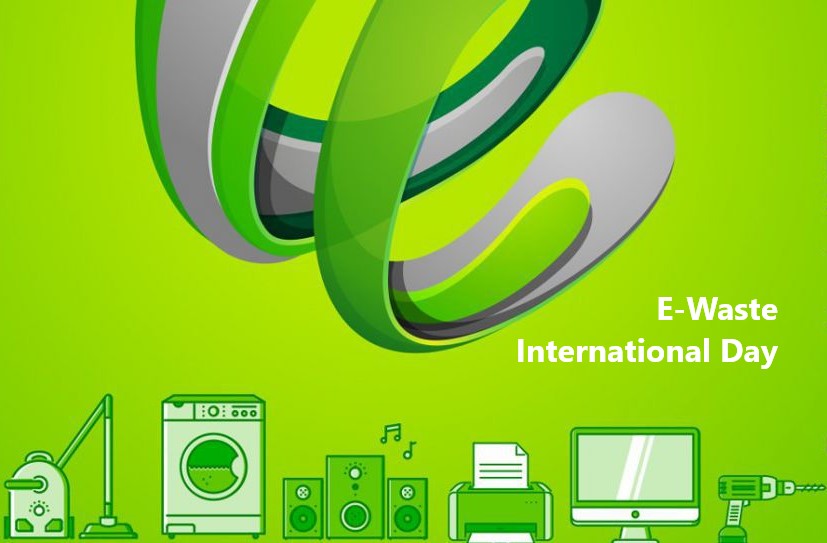
International E-Waste Day was launched by 28 nonprofit e-waste organizations in 21 different countries around the world. It is being used to raise public awareness of electronic waste recycling and encourage consumers to recycle their devices, both for the present and the future.
The first International E-Waste Day was held this year on October 13 in both Europe and the rest of the world, thanks to extensive collaboration among E-Waste members and the WEEE Forum, an international association of e-waste collection systems. International E-Waste Day will focus on raising awareness about the problems associated with e-waste and its collection and recycling.
IT Market The goal is to reduce the large amount of unnecessary electronic waste generated each year by the replacement of equipment that can function at 100% capacity once refurbished, in response to growing environmental awareness.
Thanks to IT Market Each year, production of approximately 15 metric tons of electronic equipment is halted. This represents a major step forward in combating the electronic waste generated by the planned obsolescence of this type of equipment.