Improvements in
network-attached storage (NAS) density and performance are geared toward unstructured data workloads.
Network-attached storage (NAS) is a category of file-level storage that is connected to a network and enables data access and file sharing in a heterogeneous client-server environment.
"NAS is independent of platform and operating system and does not require changes to other enterprise servers," says Gartner's research department in its definition of NAS.
NAS History: The Evolution of Network-Attached Storage
NAS technology has evolved since the 1980s to provide file access for network clients. NAS devices typically consist of integrated hardware and software with a built-in operating system, and generally use industry-standard network protocols such as SMB and NFS for remote file serving and data sharing, and TCP/IP for data transfer.
"With a NAS, you have a file system. When you set up a NAS, a shared drive appears, and you can set up many different shared drives. You can use the SMB protocol, which is primarily for Windows, or the NFS protocol, which is for Linux; both SMB and NFS are two of the main file-based protocols for NAS.
What is unified storage?
Unified storage, also known as multiprotocol storage, emerged from the desire to move away from purchasing SAN and NAS technologies as two separate storage platforms and to combine unified block and file storage into a single system. With unified storage, a single system can support file protocols such as NFS and SMB, as well as Fibre Channel and iSCSI block storage. NetApp is generally credited with developing unified storage, although many vendors offer multiprotocol options.
Today, most midrange storage arrays tend to be multiprotocol. Instead of buying one storage array for SAN and another for NAS, you can purchase a single array that supports all four protocols: Fibre Channel, iSCSI, SMB, or NFS.
To see the difference between NAS and SAN storage, click here.
Enterprise NAS Storage
NAS vendors continue to add features to improve scalability, manageability, and efficiency. In terms of performance, flash storage is having an impact on enterprise NAS. Vendors offer hybrid NAS arrays that combine mechanical disks with flash drives, as well as all-flash NAS hardware.
In the world of enterprise storage, flash technology has so far been making inroads into SAN environments because structured data workloads on a SAN tend to be smaller and easier to migrate than massive unstructured NAS deployments.
NAS Storage Providers
NAS storage is designed for users who want a centralized storage system that allows multiple users to access files from PCs and mobile devices without having to connect directly to a hard drive. NAS storage can function as a file server, backup system, and media server.
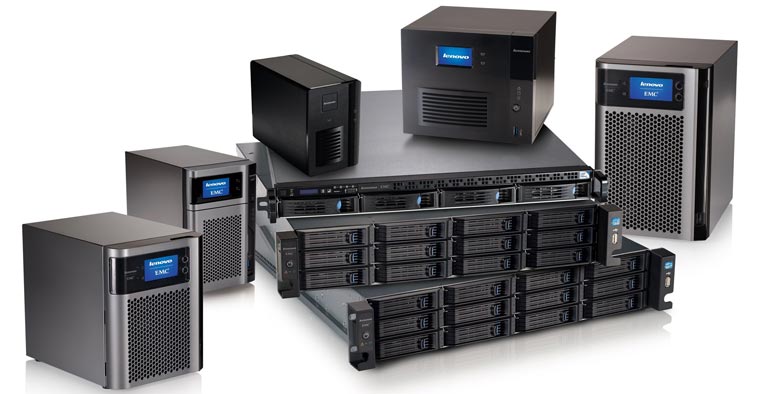
The main providers offering NAS are:
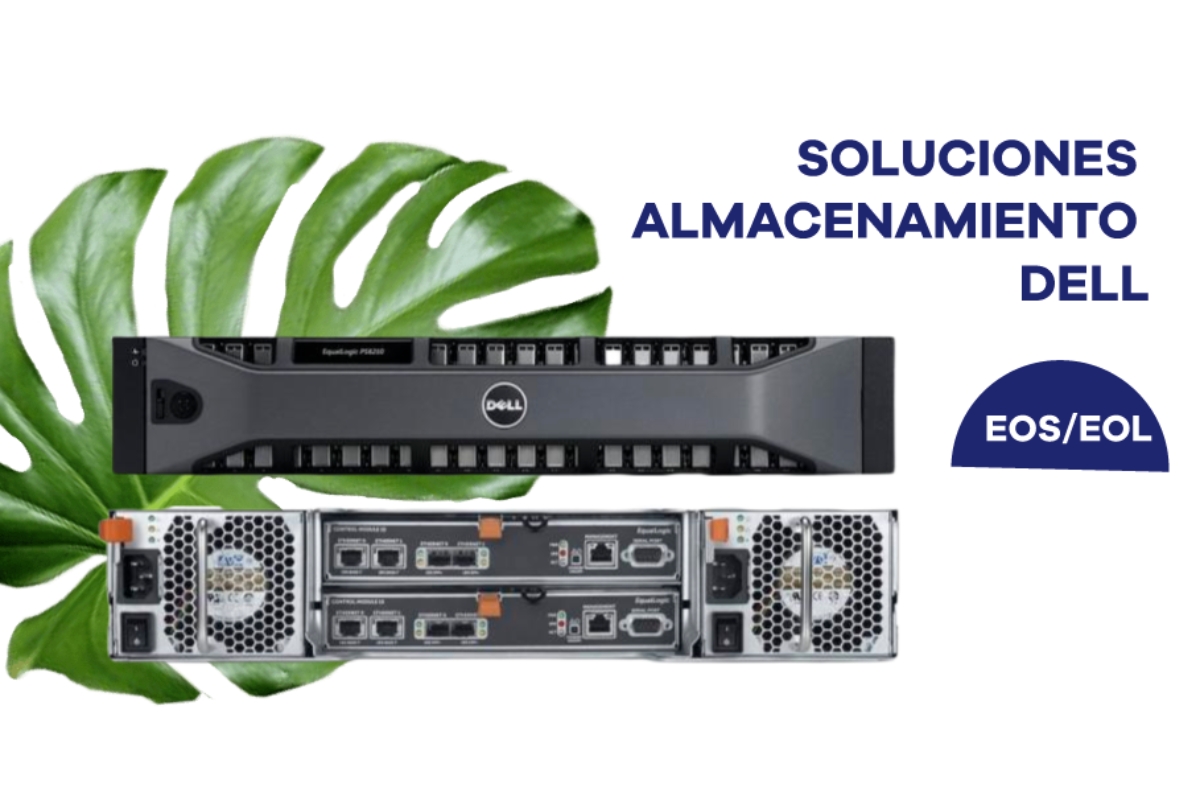
Dell EMC, NetApp,
Hewlett-Packard Enterprise, IBM, Hitachi Data Systems, Oracle-Sun, and Nimble. MercadoIT offers a wide range of
refurbished and new
NAS storage devices from leading brands with discounts of up to
90%.