Cisco Systems celebrated its 30th anniversary in December. And details from its past are coming to light.
Under the leadership of John Chambers, one of the longest-serving CEOs in the tech world,
Cisco has grown into a $47,000 million company with more than 71,000 employees.
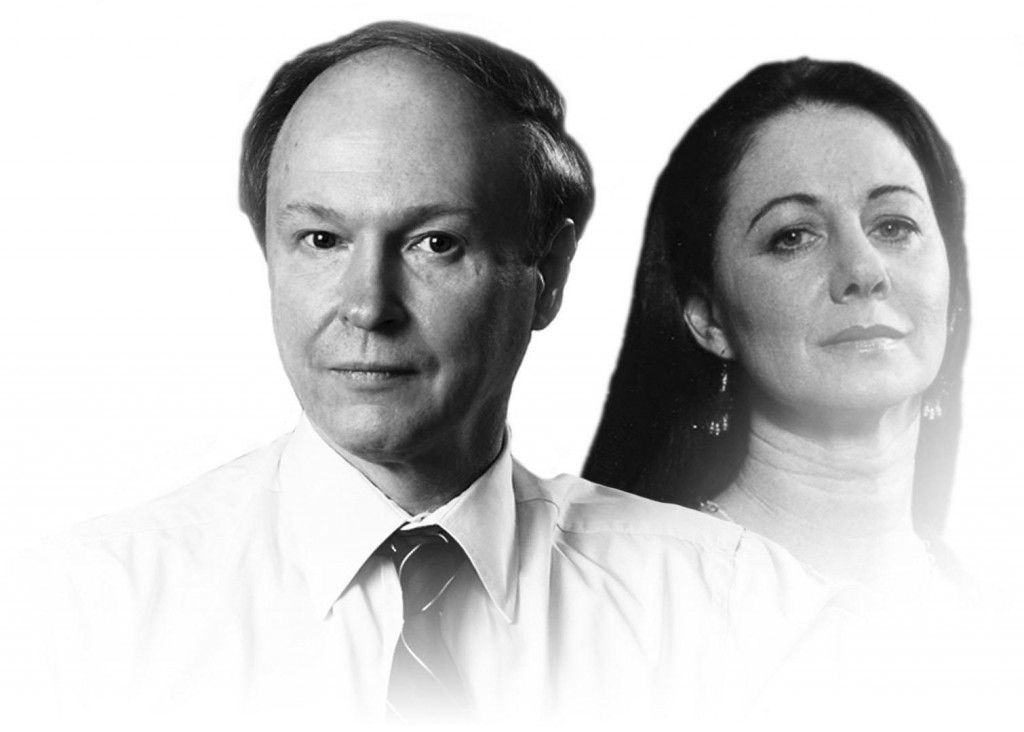
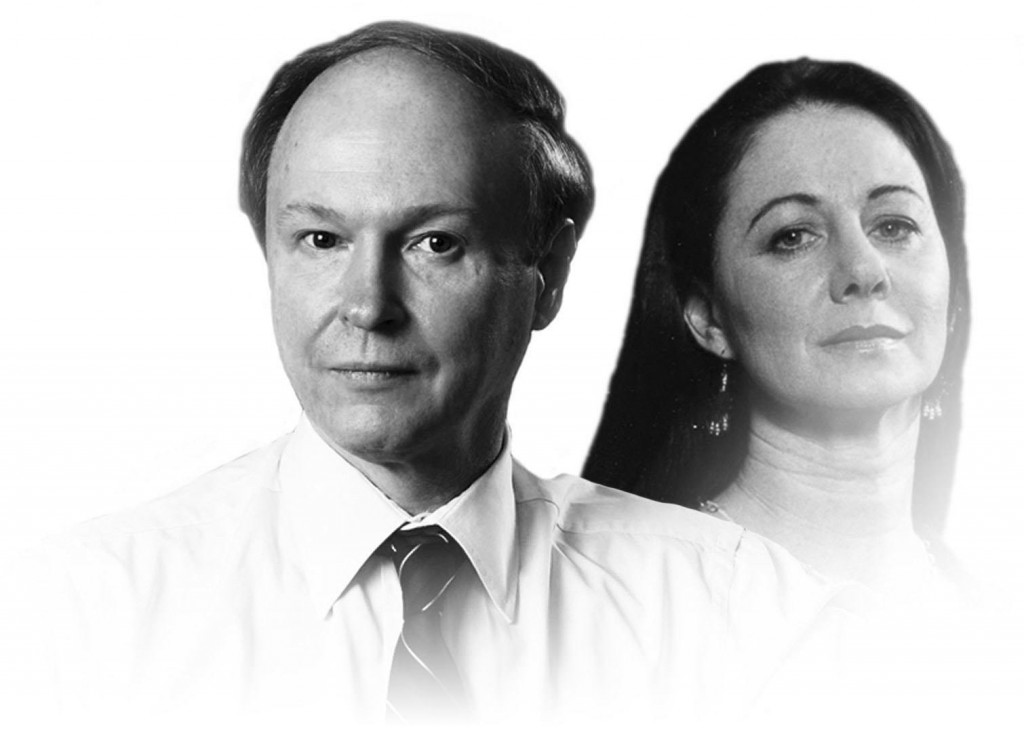
For most of that time, the famous husband-and-wife team who founded the company—
Len Bosack and Shandy Lerner—have not been part of it nor had any say in its decisions. They are now divorced.
Here’s a classic Silicon Valley tale: a dramatic power struggle—much like Steve Jobs’ ousting or the founding of Facebook, immortalized in the movie *The Social Network*.
Cisco’s story was explained in detail on Quora about a year ago. Here’s a quick summary.
In the early ’80s, when most of us mere mortals were only worried about whether our jackets were fluorescent and how to keep our toupees from falling off,
Bosack and Lerner were working at Stanford University and couldn’t send each other emails from different buildings because the networks weren’t set up to connect to one another. So they invented the technology that connected and translated from one network to another—something called
“the router "multi-protocol"
Cisco sold its first router in 1986
, and by the end of 1987, the new company had generated nearly $1.5 million in sales. They needed money to finance future growth and struck a deal with renowned venture capitalist Don Valentine of Sequoia Capital, who invested $2 million.
Valentine almost immediately appointed a man named John Morgridge as CEO; Morgridge had previously led an early-stage computer company called Grid.
Lerner and Morgridge had a rocky start, and their relationship began to sour.
In an interview in the 1990s, Lerner recalled, “The first time I met Morgridge, he had already been hired,” and that the first thing he said to him was, “I’ve heard you’re everything that’s wrong with Cisco.”
They disagreed on how best to serve customers; Morgridge didn’t believe the founders knew how to sell.
“They were basically selling to their colleagues, through word of mouth. The initial customer base started with a bunch of crazy people—the kind who are always ahead of the curve,” she told Forbes last year.
She eventually confronted Morgridge and had him ousted. Her husband, Bosack, resigned in solidarity and immediately sold his two-thirds stake in Cisco for $90 million.
Years later, Bosack didn’t seem too upset about selling or leaving Cisco. In 1992, he told Forbes, “We had to ask ourselves the following question: ‘Do we want to run a company, or do we want to make money?’ And we wanted the latter.”
Lerner didn’t feel the same way.
“Len and I had underestimated our abilities,”
she told Forbes in 1992. “I certainly could have run that business—I was in charge.”
A couple of years ago, she shared some stories about sexism in business with BusinessWeek, describing so-called venture capitalists as
“old salesmen who’ve never worked with women.”
She recounted a meeting where a vice president announced that he had just passed syphilis on to his wife, and everyone burst out laughing.
Since then, Lerner has gone on to lead an incredible life.
Most people know that she founded a cosmetics company a few years later, which was
acquired
by Moët Hennessy Louis Vuitton.
But
she has
also
become something of an acclaimed Jane Austen
, famous in these circles for two reasons. She wrote a book called “Second Impressions,” a sequel to “Pride and Prejudice.” And she purchased a 125-year lease on Chawton House and began restoring it. It is the estate owned by Jane Austen’s brother, where she lived and wrote.
Lerner also owns an organic farm and a tavern in Virginia
, and she founded the Women in Mathematical Sciences Initiative at Shenandoah University, among a long list of post-Cisco achievements.
Bosack is retired
and lives in his native Pennsylvania, according to Research Pedia. The two remain friends and run a charitable foundation together, which focuses on animal welfare, education, and space exploration causes.
Source: http://www.businessinsider.com/how-ciscos-founders-were-ousted-2014-12