Keep these key points in mind when building or upgrading
your server infrastructure. Servers are the core of any IT infrastructure for businesses large and small. A properly configured server infrastructure can keep your operations running smoothly, allowing your IT team to focus on more innovative projects.
When setting up a server configuration or upgrading your existing infrastructure, there are some important points to keep in mind to ensure you get the most out of your servers.
Define the use of your servers
The variety of hardware, applications, and server configurations on the market means it has never been easier to get the infrastructure you want. At the same time, a dizzying array of options can make selecting and deploying the right setup a daunting process.
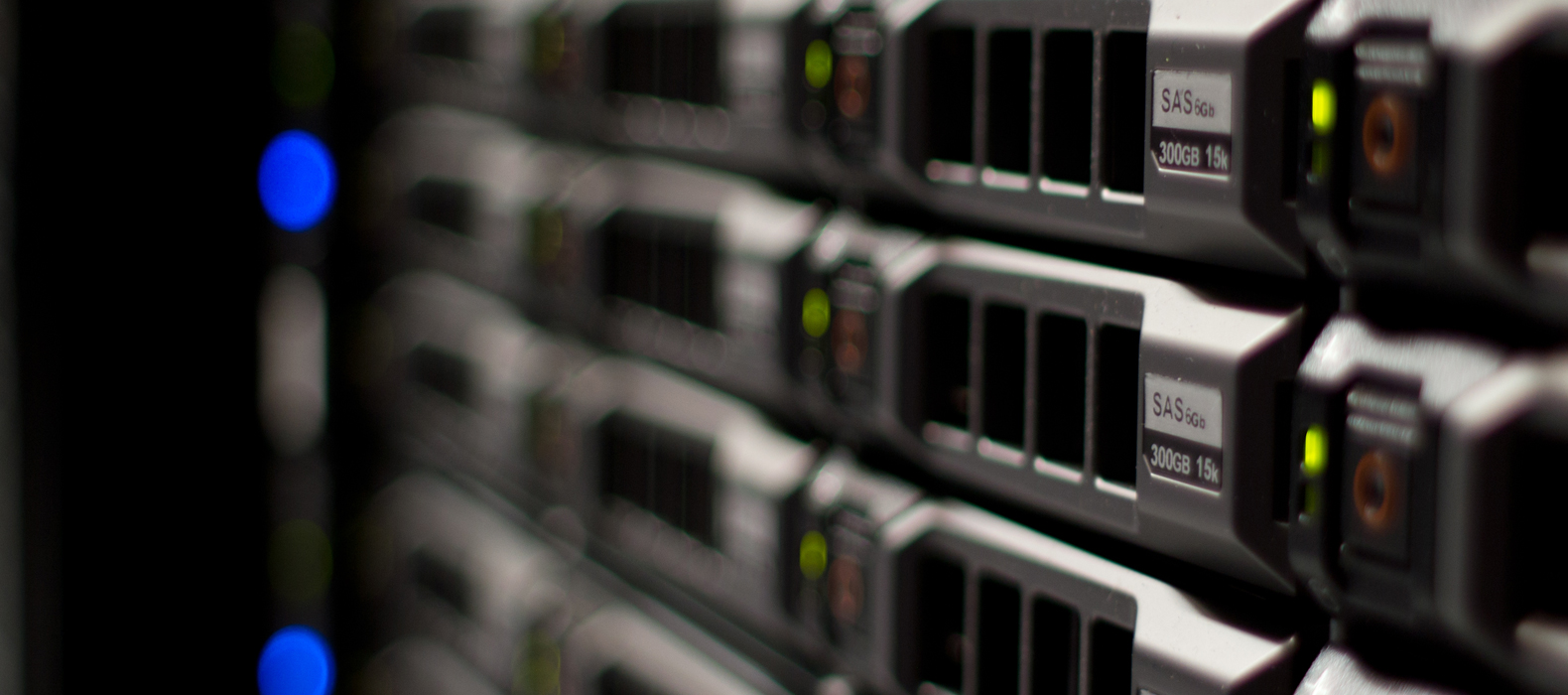
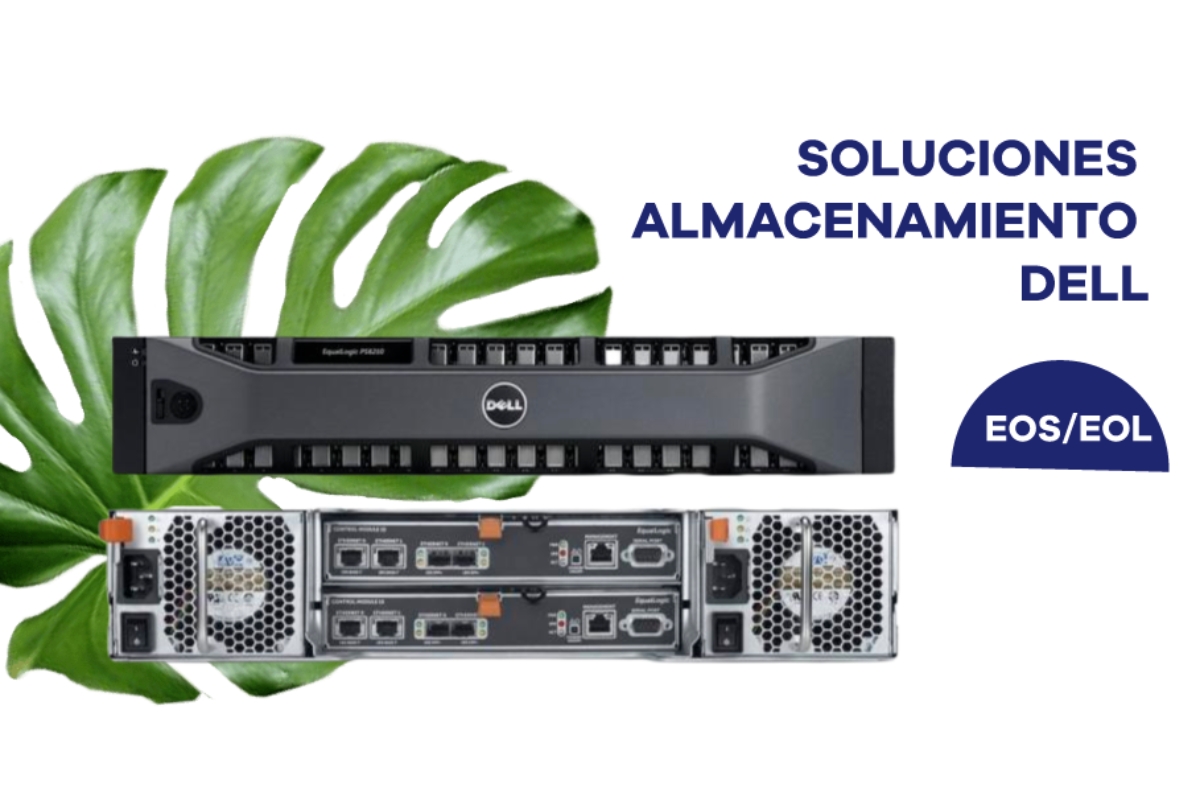
To address this, it’s best to have a clear idea of how your company will use the server infrastructure. For example, do you want a server rack designed for general-purpose workloads, ranging from data processing to running office applications? Or would you prefer to have a set of servers to keep your data, applications, and analytics systems on separate racks and shelves, ensuring that a system crash doesn’t take down all your IT systems at once?
Different approaches have various advantages and disadvantages, ranging from cost efficiency to lengthy setup times and significant space requirements. Therefore, it’s truly worth taking the time to determine which type of server infrastructure best suits your business needs.
At MercadoIT, we offer you all our knowledge and experience to help you achieve the best IT solution, both in making technical and financial decisions and in monitoring their implementation. We can help you find the equipment you need for your company or project.

Server Connectivity
For experienced professionals, setting up server rooms and infrastructure can be a straightforward task. But as the way people work has evolved—from accessing CRM systems on their smartphones to connecting to central servers via public Wi-Fi—the challenge has arisen of accounting for a wider range of server connectivity options.
When setting up your server infrastructure, you’ll now need to figure out how to securely enable remote access. There are many options to choose from; your company may have a wide area network (WAN) to connect remote offices, or perhaps a virtual private network (VPN) is the best option for providing secure server connectivity over the Internet.
Virtualization is another area to consider. This technology allows remote access to applications and desktops to be streamed from your servers to an external device, while keeping data secure on a protected network server rather than transmitting it back and forth to a remote device.
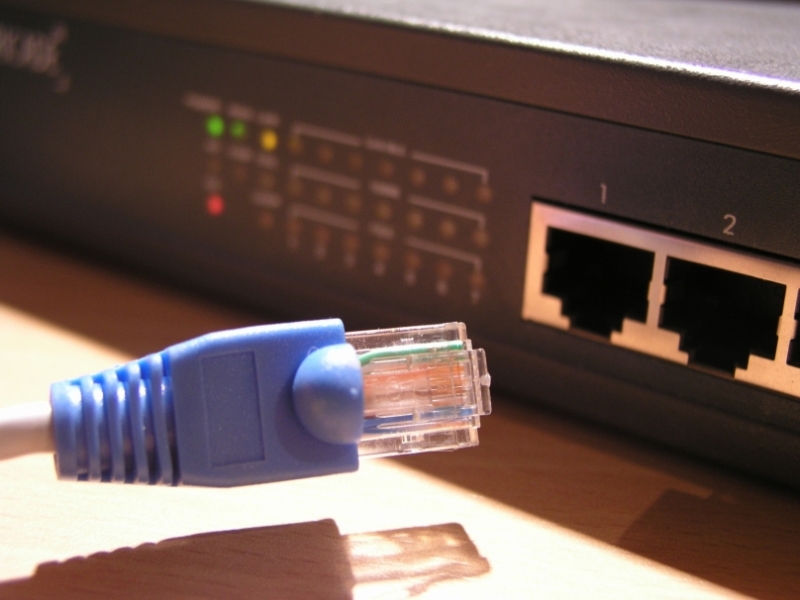
It’s important to keep in mind that a new server configuration can quickly be undermined by employee complaints about slow network connections, so you should set aside a budget to invest in fast routers and Ethernet switches.
Your Server Infrastructure in the Future
Investing in more computing power and storage than you need may seem like a waste of money, but the amount of data your business collects and consumes to drive smarter decisions and efficient operations is constantly growing, which means data capacity is very important. As such, it’s best to select servers and the surrounding infrastructure with future expansion in mind. This approach will go some way toward reducing the likelihood that you’ll hit your server capacity limits too quickly.
A server room with space to be upgraded over time will be a more cost-effective way to keep your servers in line with your company’s operations than having to carry out a major equipment overhaul in the near future to make room for new hardware.