Our main goal at Mercado IT is to supply refurbished or reconditioned technology equipment to businesses at a low cost and under the best terms. It is a beneficial and very useful service. But one of the most surprising aspects is the added benefit that this refurbished hardware provides for the environment. It’s the most environmentally sustainable (and affordable) way to get IT equipment with all the features you need.
The basis for the environmental benefits of refurbished IT.
The scientific basis for the environmental case for the revamped IT team is clearly explained in the book by Dr. Eric Williams and Ruediger Kuehr of the Rochester Institute of Technology, *Computing and the Environment: Understanding and Managing Its Impacts*.
In this book, they discover that the environmental cost of producing a computer and a monitor is immense, especially when it comes to microprocessors. The production of a desktop computer and a monitor requires 240 kilograms of fossil fuels, 22 kilograms of chemicals, and 1 metric ton of water.
Giving technological equipment a second life saves 5 to 20 times more energy than recycling. It's much better for the environment to extend the life of a computer (or any other type of hardware) every 2 or 3 years than to buy a new one every three or four years.
In fact, 75 percent of a PC's energy consumption occurs before you even turn it on. It is used during the manufacturing phase. If this equipment has a lifespan of six or seven years instead of three or four, the environmental impact will be immense.
To get an idea of how the number is growing right now, you can check out the page Worldometer. Two billion computers were installed in 2015. And the number continues to grow.
Half the periodic table on your PC or cell phone
The environmental case for reusing electronics or buying refurbished products goes beyond Williams and Kuehr. Paul Hawkin, in his book *Natural Capitalism*, estimates that the ratio of materials used to manufacture a laptop is 4,000 to 1. When you throw away a laptop weighing just over two kilos, you’re also throwing away the 9,000 kilos of raw materials that went into its production.
The hundreds of raw materials needed to make electronic devices involve a highly complex supply chain. The materials for the circuits must come from mines and factories around the world. The Sustainable Electronics Initiative at the University of Illinois estimates that each PC or cell phone contains roughly half of the periodic table.
How much can you save on refurbished hardware?
The EPA's Online Environmental Benefit Calculator It shows the environmental savings achieved through recycling and reusing a computer in terms of energy, materials, CO2, toxic emissions, and more. It is estimated that reusing equipment is approximately 25 times more beneficial to the environment than recycling it after 3 to 5 years of use.
Recent life-cycle assessment studies by Eric Munsing of PE International have shown that the more energy-efficient devices there are—such as laptops, tablets, and cell phones—the greater the environmental benefit of extending the useful life of these devices. More energy and resources are used in their manufacture.
How does the refurbished program work?
Setting aside the issue of reuse, the question that always comes up is how refurbished IT equipment compares to new equipment in terms of performance. Most of us have been frustrated by using a 4-year-old computer that takes forever to boot up, open a web page, or send an email. The main reason is that, over time, software degrades or becomes corrupted, leading to interoperability issues and many other technical problems.
A computer that has been repaired, cleaned, and has the original, up-to-date software installed works more or less as well as it did when it was new. One important thing to keep in mind is that a four-year-old computer needs software that works well on four-year-old computers, not the latest software versions.
Conclusion
The bottom line is that most people use computers for four or five basic tasks: email, the Internet, accounting, multimedia (video and music), and office applications such as word processing. The vast majority of computers that are three or four years old can handle these tasks with ease, and if not, that’s where refurbished equipment comes in.
The same is true for most technological equipment in companies. Most companies use only 30% of their IT capacity and therefore do not need new, extremely expensive hardware.
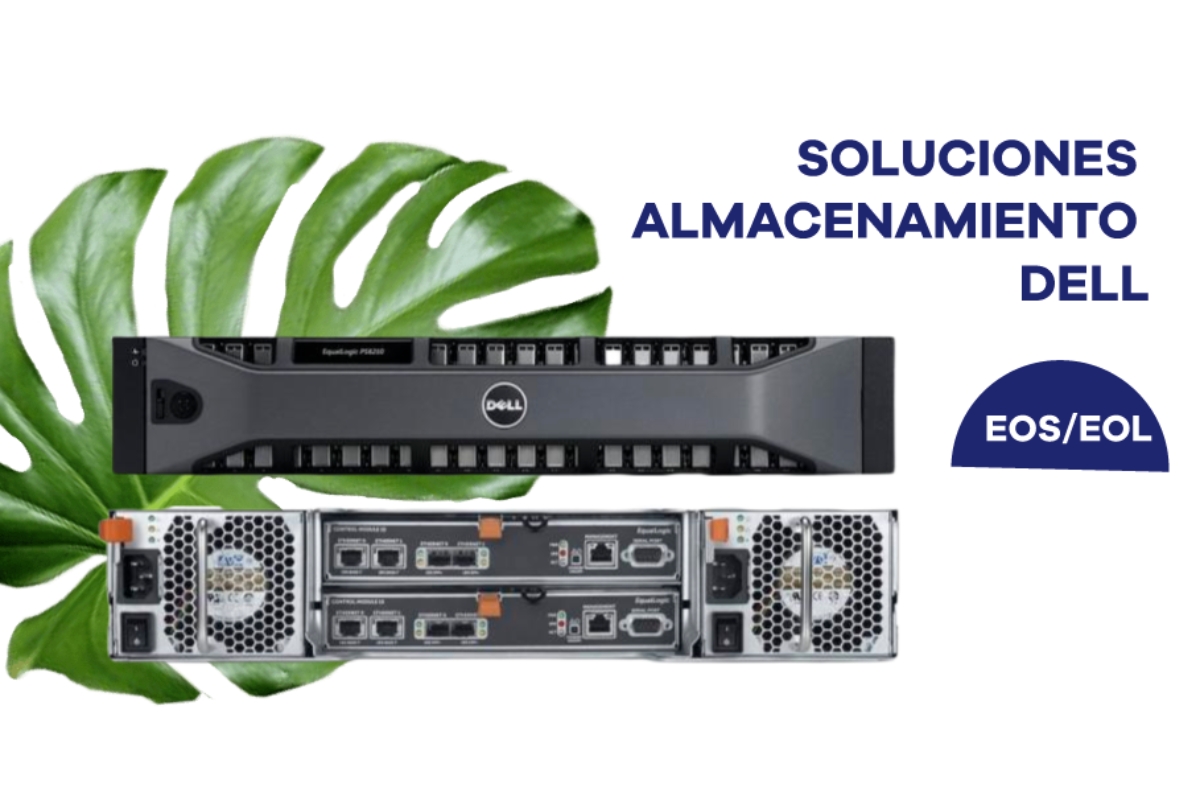
Our initiative in MercadoIT is to provide refurbished technology equipment—specifically, network hardware that has been perfectly reconditioned—so you can get all the features you need without spending more. This allows you to improve your company’s performance by optimizing resources and making much better use of your IT budget—not to mention helping the environment, of course.